National Tsing Hua University-College of Electrical Engineering and Computer Science
Highlights for The Program on Bilingual Education
for Students in College
Academic Year 2022
As a top-tier research university, National Tsing Hua University's College of Electrical Engineering and Computer Science (EECS) strives to balance bilingual program development without compromising professors' academic growth or students' learning rights. With generally high English proficiency among faculty and students, English-medium instruction (EMI) was already in place before this initiative in select departments. The college's students possess proficiency in listening, speaking, reading, and writing, providing an advantageous foundation for the project's implementation. Since 2021, approximately 25-40 international students have joined the Interdisciplinary Program, with an estimated 100 by 2023, enriching the learning environment. EECS aims to further enhance the bilingual program's effectiveness by integrating international students.
Curriculum and Administration
Progressive arrangement of EMI courses:
- Students can choose between at least one Chinese and one English professional class for each required course offered by the Electrical Engineering Department, Computer Science Department, and the EECS Interdisciplinary Bachelor’s Program. With 60% of professors in the Electrical Engineering Department and all the new professors in the Computer Science Department teaching at least one EMI, elective courses have also been expanded. Since the bilingual program started in 2021, the college has boosted EMI courses for undergraduates by about 9.2%.
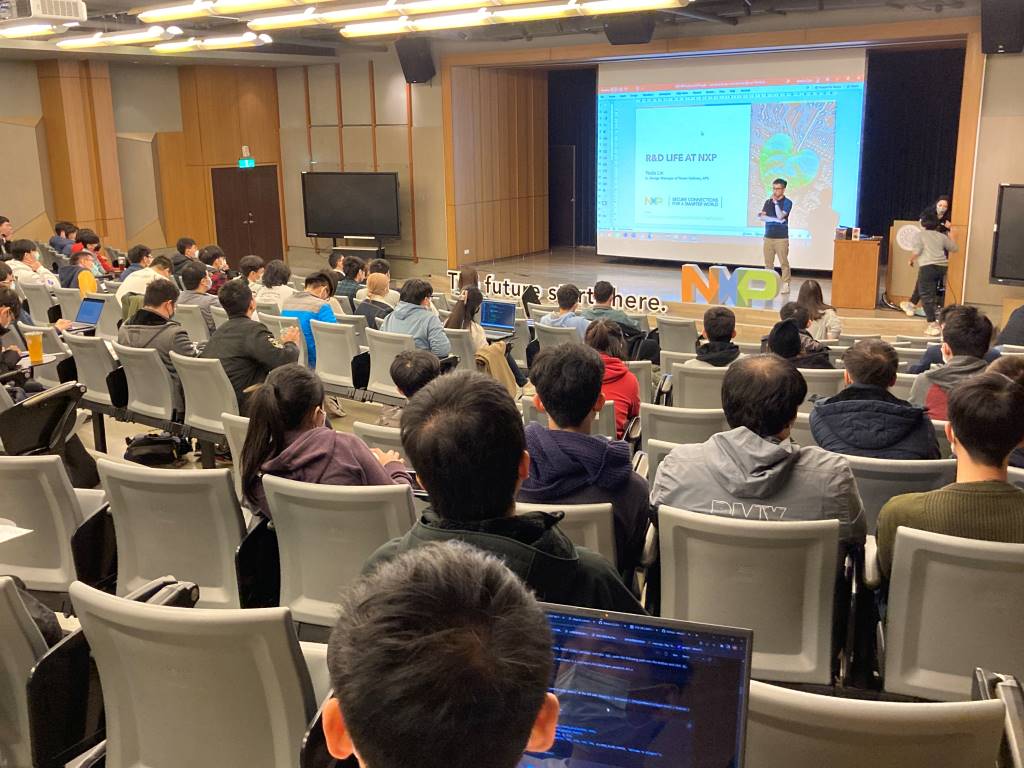
- During the academic year 2022, the College of EECS organized at least 41 English-speaking seminars, with invited speakers from foreign companies such as Microsoft, Qualcomm, NVIDIA, Micron, and renowned universities from Germany and Japan. Apart from mandatory attendance for graduate students, undergraduate students in the Electrical Engineering Department are also encouraged to participate in at least one credit of these seminars, with information being announced college-wide.
EAP courses in the College of EECS:
Following a survey on "English proficiency and English for professionals for EECS Students," the college introduced a Communication Skills for Engineers and Scientists course led by a professor from the university’s Center for English Education. Tailored to the needs of EECS students, the course facilitates practice in oral and public speaking using relevant vocabulary and concepts, alongside learning related techniques.
Open courses and provision of English information on websites:
In addition to existing EECS open courses (OCWs) and MOOCs in Chinese, the college has completed seven English OCWs, including Electromagnetics, Electronics, Operating Systems, Ultrafast Optics, Discrete Mathematics, and Advanced Discrete Structures. Furthermore, each department within the college continues to make efforts to make their department websites and information systems bilingual for the convenience of prospective and current students.
Teacher Instruction and Support
Teaching Support:
- To encourage faculty to offer undergraduate and graduate courses in English, the College of EECS has devised related incentive measures. Professors and teaching assistants (TA) who meet certain enrollment criteria for their courses are eligible for subsidies and additional rewards. In the current academic year, there are 59 EMI teachers offering a total of 96 courses across 99 classes.
- The college collaborates with the university's Center for Teaching and Learning Development for EMI teacher training, with around 12% of professors participating by the end of May 2023. Additionally, about 43 TAs from EECS attended EMI-related training. EMI Seed Teachers held a Demonstration and Sharing Session in July, followed by Effective Learning courses during freshmen training from August to October, enhancing EMI learning effectiveness.
- The Electrical Engineering Department has recruited three new faculty members to provide teaching support.
Reflections and Analysis of Classroom Observation Records
EECS conducted four rounds of classroom observation, observing nine courses and inviting seed and award-winning teachers to open their classes for peer observation. In EMI classes, English is predominantly used (90-100%), with students largely responding in English. When needed, other languages are used to ensure comprehension. Some teachers adjusted methods to encourage student problem-solving and interaction, receiving positive feedback.
EMI Full English Teaching Assistant Incentives:
To ensure English-only communication, the college recruited TAs with subject expertise and strong English skills. These TAs set an example and provide proper guidance to international students. Subsidies were given to 18 TAs for 12 courses. End-of-term reports showed positive outcomes, indicating this measure not only promoted English use but also encouraged TAs to delve deeper into subject matter while they communicated with the students.
Student Learning and Support
Encouraging Students to Improve English Proficiency:
To boost students' performance in English-taught courses, EECS incentivizes English proficiency tests. After announcing subsidies in the second semester of 2021, 52 students applied, with about 87.5% achieving CEFR B2. Students were also encouraged to join English Corner sessions and serve as speakers, with 62 participations recorded. In addition, EECS has acquired Linggle for writing assistance. The college also updates its EMI bilingual program website with English learning resources regularly.
Improving International Student Guidance and English Interaction Environment:
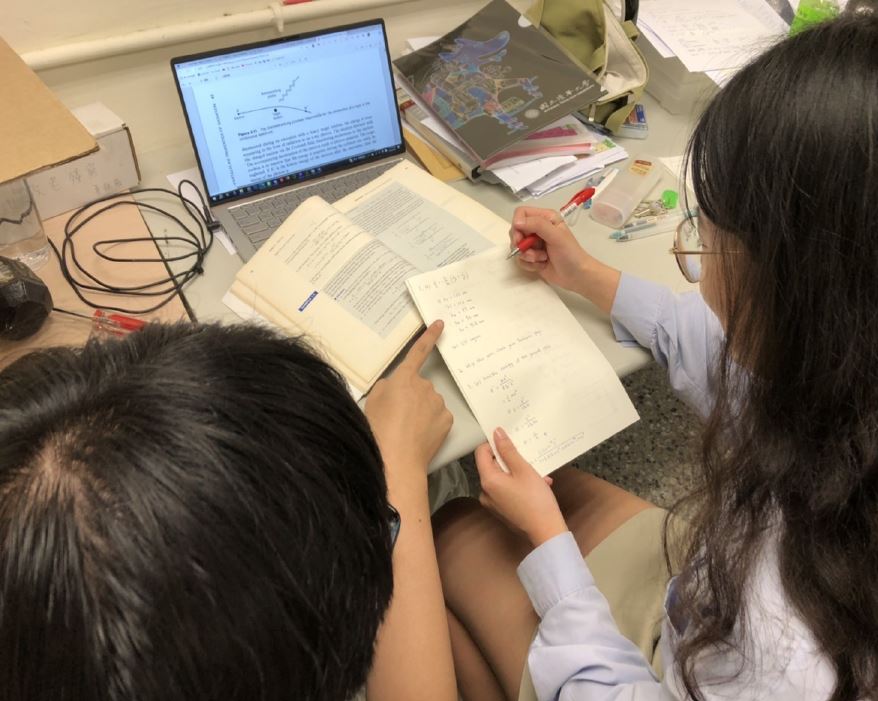
The Interdisciplinary Program of EECS guides international students through their studies with activities like faculty-student meetings, course explanations, and online Q&A sessions. Mentors in the sessions offer advice on course selection and tips for integration into courses and research teams. Despite cultural and departmental differences, the vibrant class atmosphere fosters interaction, aiming to enhance a bilingual learning environment through student diversity.