Tzu Chi University of Science and Technology
Measures to Enhance Students' English Proficiency
1. Overall Perspective: In alignment with the international development initiatives of the Tzu Chi Foundation, we are implementing the international mobility goals and strategies of the mid-to-long-term institutional plan to enhance international enrollment for sustainable development. Additionally, we aim to boost the international competitiveness of educationally disadvantaged groups in the region, transforming into the Eastern Taiwan's sole internationalized technological university.
2. Organizational Aspect: The establishment of the Bilingual Education Center is dedicated to providing the necessary resources for the development of English teaching throughout the entire university, fostering collaboration with various academic and administrative units.
3. Faculty Aspect: Active efforts are made in three aspects - EMI training, teaching support, and the recruitment of international scholars.
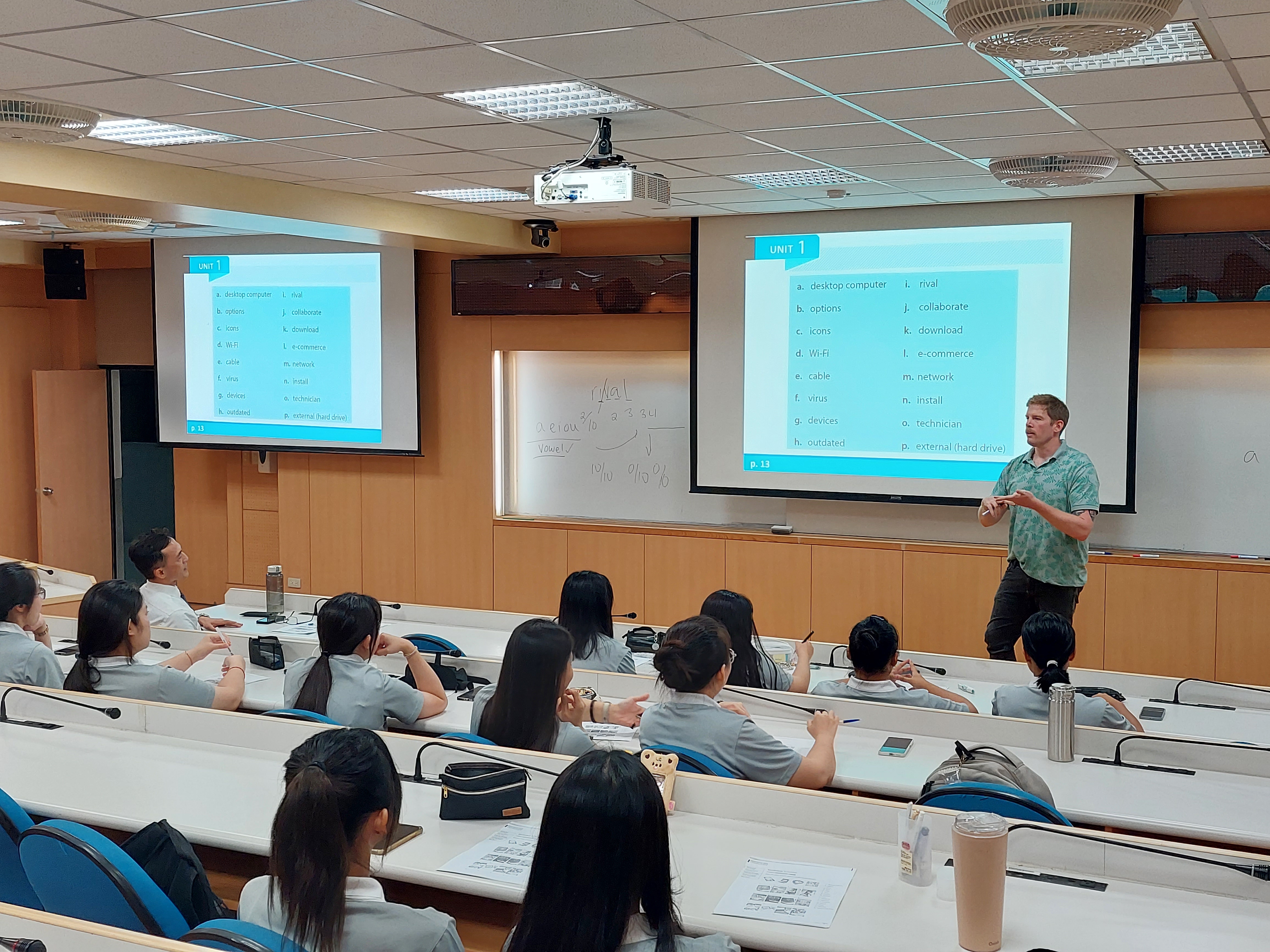
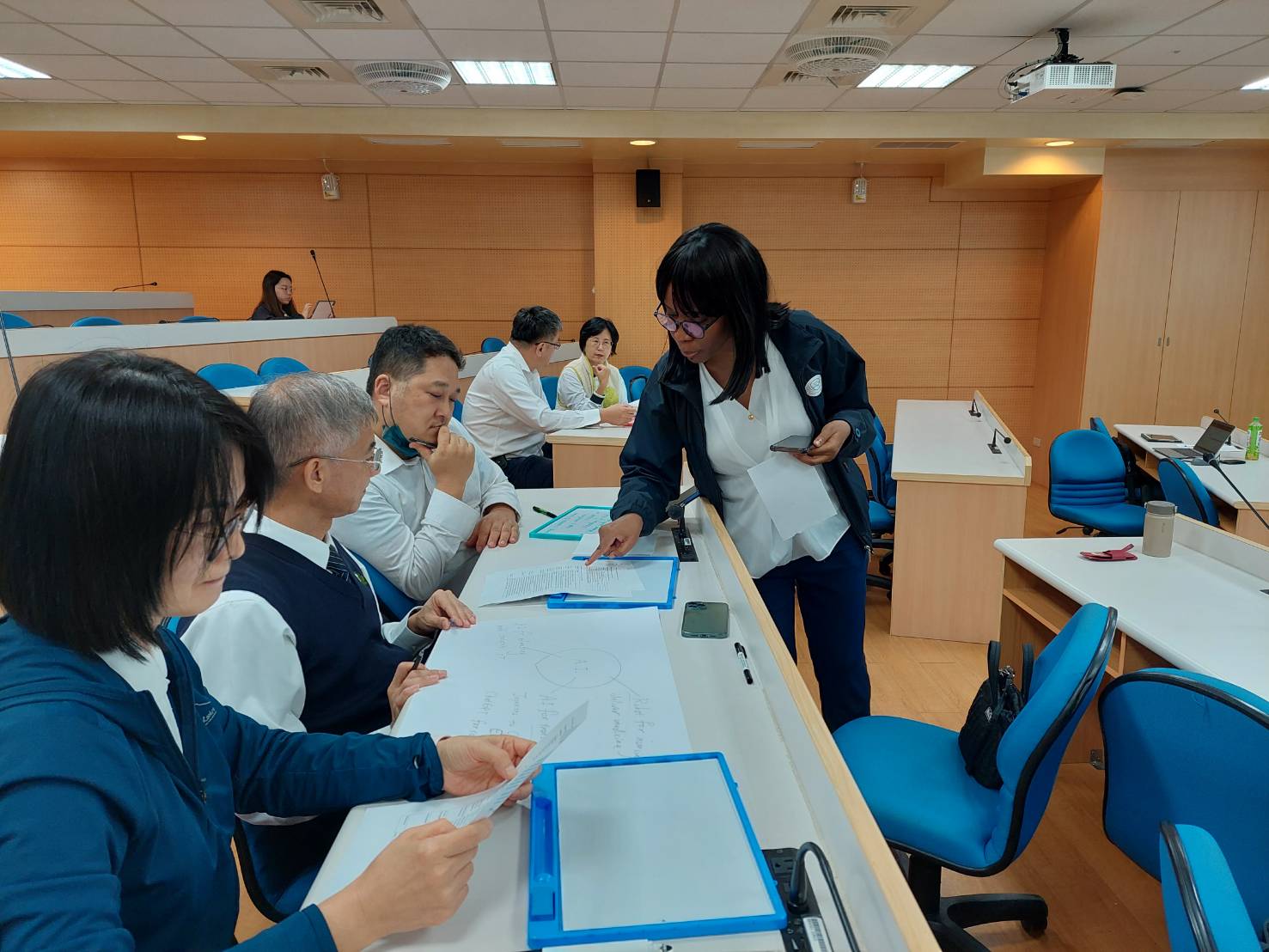
(1) Regarding EMI training, a Cambridge EMI Professional Development Course was conducted in the 111-1 semester, with 25 teachers successfully obtaining certificates, and 13 of them offering EMI courses during the 111 academic year. To facilitate ongoing teacher communication, the center also organized "Cambridge EMI Course Online/On-site Meetings" to assist in highlighting and discussing course objectives. The "EMI Teachers' Forum" was held every Wednesday noon during the 111 academic year, comprising a total of 18 sessions focusing on EMI teaching methods and all conducted in English. This initiative also included bilingual teaching assistant (TA) training for enhanced capabilities. Other activities such as lectures, workshops, observations, consultations, and community-building have formed a community of seed teachers mutually promoting, exchanging, and practicing EMI.
(2) In terms of teaching support, bilingual teaching assistants (TA) have been appointed, with English-taught courses receiving a 1.5 times hourly rate multiplier. Additionally, mechanisms such as course subsidies, co-teaching with foreign instructors, observations, consultations, and community-building have been implemented.
(3) In the recruitment of international scholars, the Bilingual Center has hired a foreign scholar with a background in English-taught education. Her contributions include assisting in the design and implementation of EMI courses, exploring learning assessments for EMI courses, developing EMI teacher training, conducting workshops and consultations, and co-teaching.
4. Student Aspect:
(1) Acquisition of language learning software and hardware to create bilingual learning spaces, promoting exchange between local and international students.
(2) Sending students for overseas exchanges, organizing international exchanges to enhance motivation and application of learning. In the current year, the Management College and Nursing College have sent students for internships in the United States, Japan, Australia, Thailand, and the United Kingdom. Each department has also organized various international exchange learning activities, fostering cultural exchange and enhancing English professional presentation and communication skills.
(3) Noting on graduation certificates the completion of English-taught courses.
5. Curriculum Aspect:
(1) Actively encouraging teachers to offer courses entirely in English, with more than 15 EMI courses offered each semester. This includes professional courses from the Management College and Nursing College, the "International Management Talent Cultivation Credit Program," and general education courses. In the 111 academic year, the percentage of local students in the second year and master's program participating in EMI courses reached 19.6%.
(2) English courses, exams, and activities related to English learning. The Holistic Education Center used Easy Test and EnglishScore assessment systems to categorize incoming students into three levels for mandatory English courses. Based on the English post-test results for the 111 academic year, there was a 16.6% improvement for students with a level of A2 or above. 38.9% English courses were taught in full English. Various English experiential activities, such as the "Lunchtime English Conversation" led by foreign instructors, "English Flash Chat," "Full-English Lectures," and the "Freshman English Self-Introduction Competition," have been organized by the Holistic Education Center to enhance communication skills and boost confidence.
6. Resource Sharing, Inter-School Cooperation, and Other Distinctive Features:
The university actively expands international and inter-school cooperation to extend the English learning environment to sister schools abroad. In May 2023, representatives from the International Affairs Office, Bilingual Education Center, and Chinese Language Center attended the NAFSA Annual Conference in the United States. During the conference, discussions were held with universities worldwide regarding dual-degree programs, student exchange programs, short-term English courses, and collaborative customized EMI teacher training and professional field overseas deepening programs, aiming to further enhance bilingual and international education, as well as expand international exchanges for the university.