Tainan National University of the Arts
The overall goal of TNNUA's development plan is to“innovate and embody in order to advance the university's prestige internationally.”TNNUA aims to develop the vision of “art education that pays attention to both local characteristics and international perspectives.”Our intention is to cultivate talented artists with global perspectives and creativity, so that they can showcase artistic talents on the world stage and obtain employment internationally. In addition to establishing laws and regulations in the first phase (2021-2022 academic year), TNNUA continues to offer EMI and full-English English courses, and coordinates our EMI teaching and support system measures with diverse activities in order to improve students' English proficiency. Through promoting the second phase of the BEST Project (2023-2025 academic year) and the supporting internal and external resources integrations on campus, the characteristics and achievement highlights in this academic year’s bilingual project are as follows:
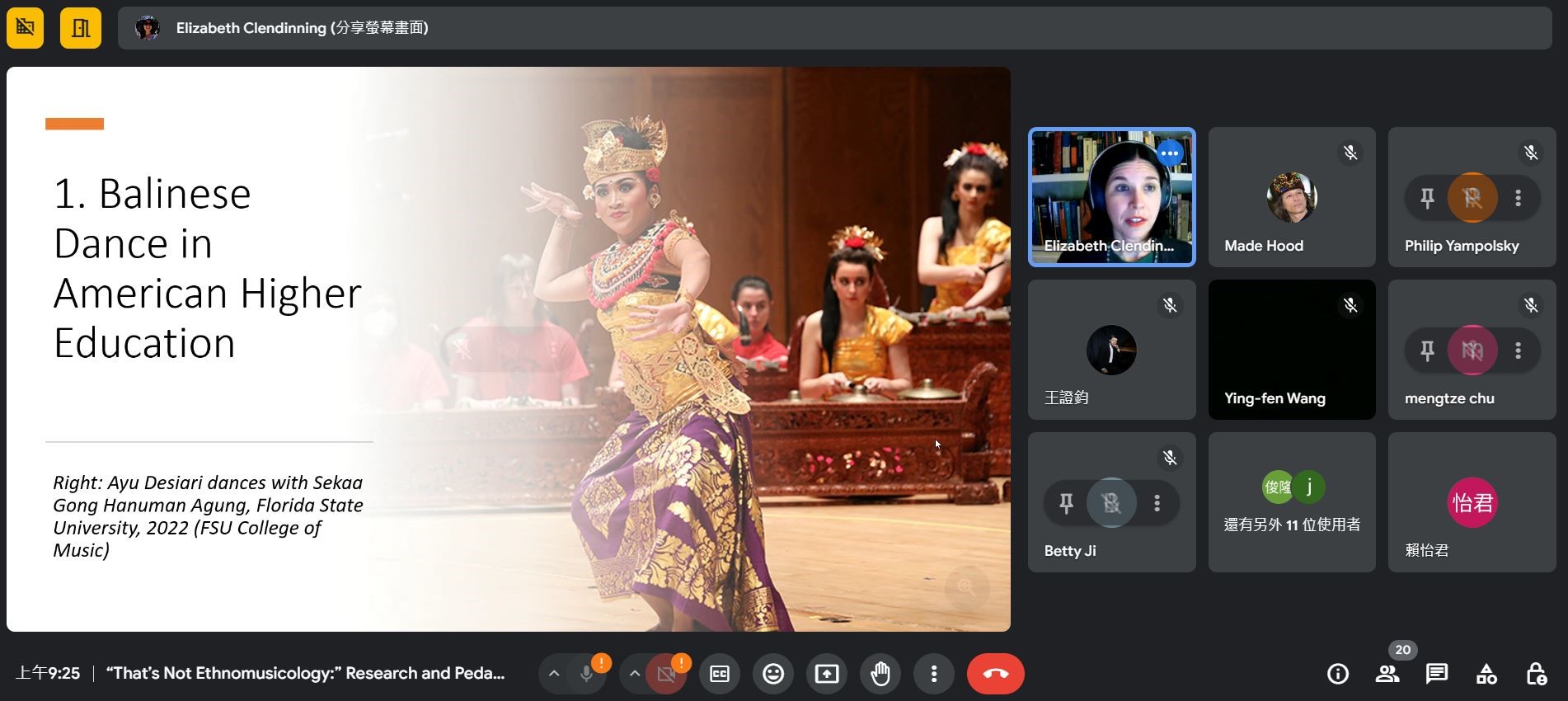
- The leading department and graduate institutes take the lead in establishing an atmosphere of bilingual education: There are three leading department and graduate institutes this academic year: The Department of Art History, the Graduate Institute of Ethnomusicology, and the Graduate Institute of Sound Technology. The EMI course credits of the Department of Art History reached the KPI (8%) by 1%. To enhance students’ English learning motivation and increase their willingness to take the EMI course, the department held one sharing session, in which alumni shared the impact of English proficiency on their careers with the hope that students can better understand the crucial role English plays in their future workplaces. The second activity is the Department of Art History teachers sharing EMI teaching, where teachers and TAs from the Department of Art History share the EMI teaching process and students' learning status. The course credits of the Graduate Institute of Ethnomusicology also exceeded the KPI (55%) by 16%. The Graduate Institute of Ethnomusicology continues to host the“EMI Proseminar”series and organizes international musicology forum and seminars. Many international scholars participate in these activities conducted in English are combined with EMI courses to stimulate students to simultaneously strengthen their English learning and professional qualities in their research fields. The Graduate Institute of Sound Technology is an English program newly established, with the goal of cultivating international talents related to sound technology as well as sound engineering. The offered events this academic year were also corresponded with EMI courses: participation in a relevant international conference or holding relevant talks. The students' feedback demonstrated that the activities have strengthened their English learning motivation and stimulated the development of their professional knowledge.
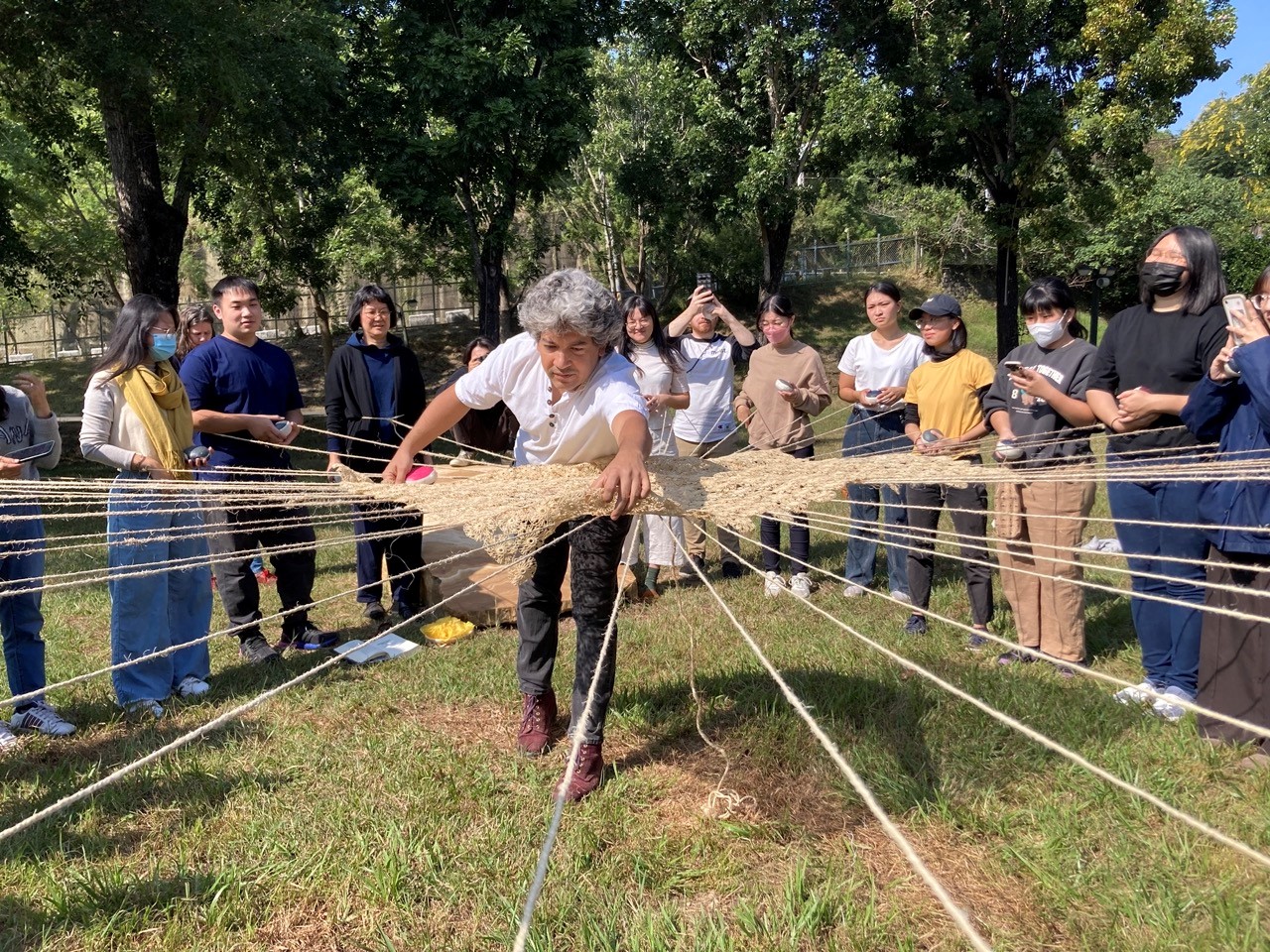
- Bilingual activities integrate art majors and expand the professional fields of EMI courses: TNNUA continues to hold diverse and rich bilingual events and activities so that students can perceive a deeper understanding of the professional subjects of EMI courses. These activities help to promote students’ English learning motivation and interests. In the international field, we plan to have in-depth cooperation and exchanges with international art masters based on the art majors of each department. For example, the Graduate Institute of Applied Arts, the Department of Music and the Department of Applied Music host international artists gatherings. TNNUA's teachers and students can have better understanding and implementation of their professional fields through the international masters' teaching and the students' practice. Each college cooperated with the departments of Arts and develop activities that were integrated EMI courses. For example, the College of Visual Arts held the “Interdisciplinary Work Camp on Fiber and Metalworking Arts”and the College of Sound and Image Arts organized the“Specular Reflection – Workshop for New-Media and Content Foundations,”the College of Metaverse has also collaborated with the Graduate Institute of Collaborative Piano to implement the “Trans-Pacific Time Zone Internship Project-Online Instrumental Training for Students’ English Speaking.”In terms of the internal support system, our bilingual education resource center provides EMI teacher and TA enhancement training session and an EMI professional teacher community. Teachers obtain an in-depth understanding of EMI teaching and teaching skills, and can learn to use EMI course teaching methods and teaching skills. In addition, to enhance students’English learning, comprehensive English Tutors on Campus are provided. Through on-campus support and international exchanges, the development of bilingual activities related to art majors will make teachers and students more effective in teaching and learning in EMI courses.
- Continue to cooperate with university participating units and external university resource centers to create EMI learning resources and environments: To enhance the participation of teachers and students in EMI courses, and to align with university participating units, TNNUA provides activities that can match EMI courses, helping to promote and expand bilingual teaching as a whole. One of the measures is for our major departments to participate in the bilingual project. Our“Bilingual Education Resource Center”will guide and provide relevant consultation with the help of the major departments (Graduate Institute of Ethnomusicology, Department of Art History, and Graduate Institute of Sound Technology). Teaching resources and professional features can promote the activities for developing the ways that can be combined with the department's EMI course themes, and motivates students to be more willing to take EMI courses. In addition, we actively cooperate with external university resource centers to develop diversified benefits for teachers and their teaching, students and their learning. We also provide many informal learning opportunities so that our faculty and students can naturally integrate into different English situations while combining the art majored students. The activity also discloses relevant information through various publicity channels, and invites people from inside and outside the university to join, and to achieve the benefits of resource sharing and inter-university cooperation.