Minghsin University of Science and Technology
Establishing an ESP Curriculum System: Implementing English Proficiency Levels, University-wide Assessments, and Diverse Language Activities
Key Achievements of the Bilingual Education Promotion Plan (Year 3)
In its third year, the university has made remarkable progress in implementing the Bilingual Education Promotion Plan, strengthening English proficiency, academic integration, global engagement, and digital innovation. The following are the top ten achievements:
- Enhancement of English for Specific Purposes (ESP) Courses
A tiered placement system ensures students receive targeted instruction in listening, reading, writing, and professional communication, preparing them for ESP courses aligned with their academic and career goals.
- Advancement of English-Medium Instruction (EMI) Courses
EMI courses enhance students' English language abilities and language awareness, with the majority of enrolled students providing positive feedback and demonstrating higher participation in campus English activities. These courses have been systematically implemented across faculties, gradually establishing core curricula, and EMI coursework is now included as one of the measures for graduation requirements at the university.
- Implementation of Pre-EMI Courses
Pre-EMI courses serve as a transition to EMI programs, easing students’ language anxiety and improving their ability to engage with academic content in English.
- Expansion of English Extracurricular Activities & Cross-Cultural Programs
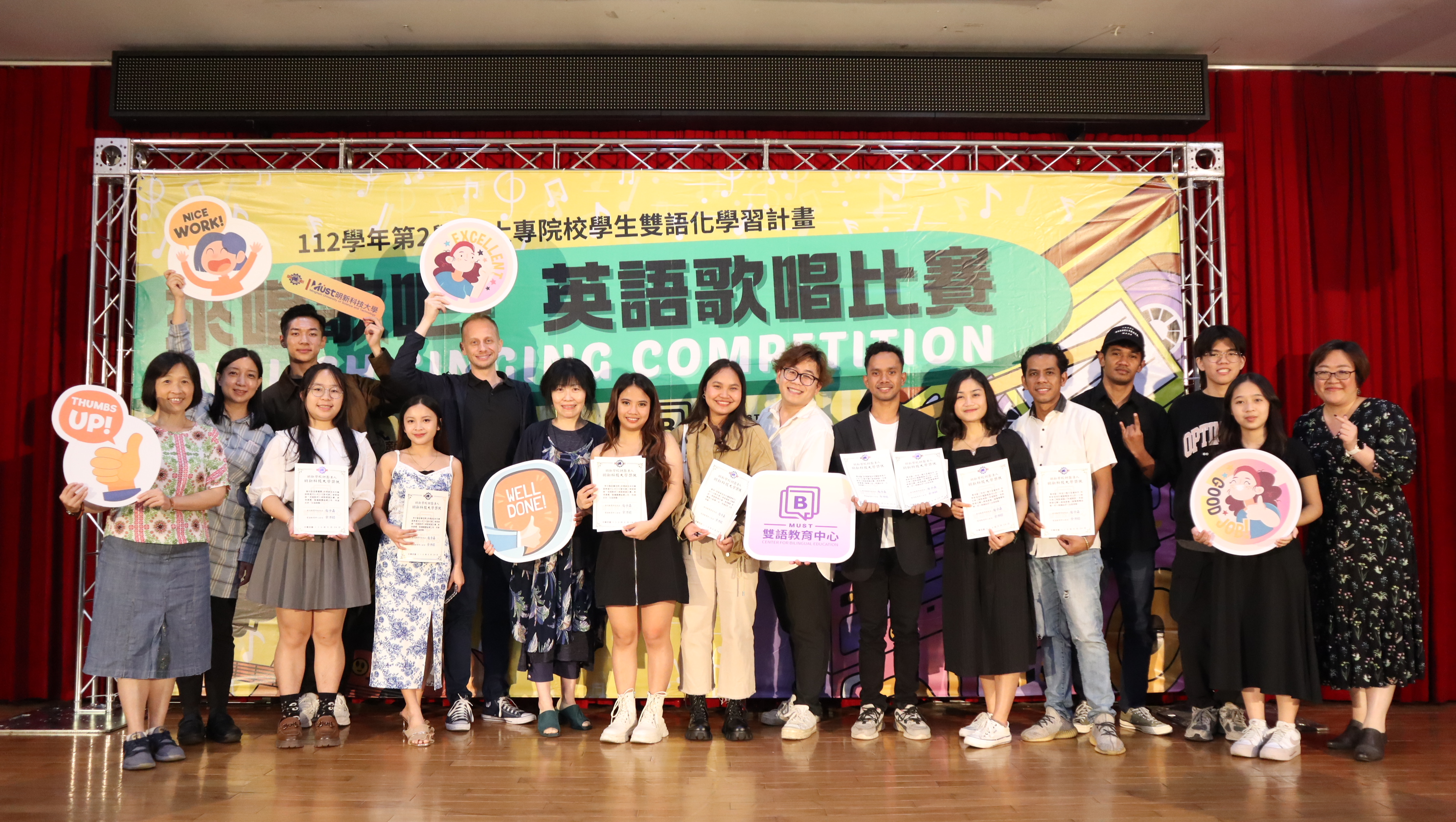
The university hosts English competitions, cultural exchange events, and skill-based workshops in collaboration with various departments. Programs like Globe Café promote cross-cultural engagement, with 150+ students participating this semester.
- Support for English Proficiency Certification & Bilingual Assistance
English certification prep courses and financial incentives support 1,000+ students and faculty annually. The Professional English Corner provides writing consultations, translation services, and test preparation support.
- Faculty Development in EMI Instruction
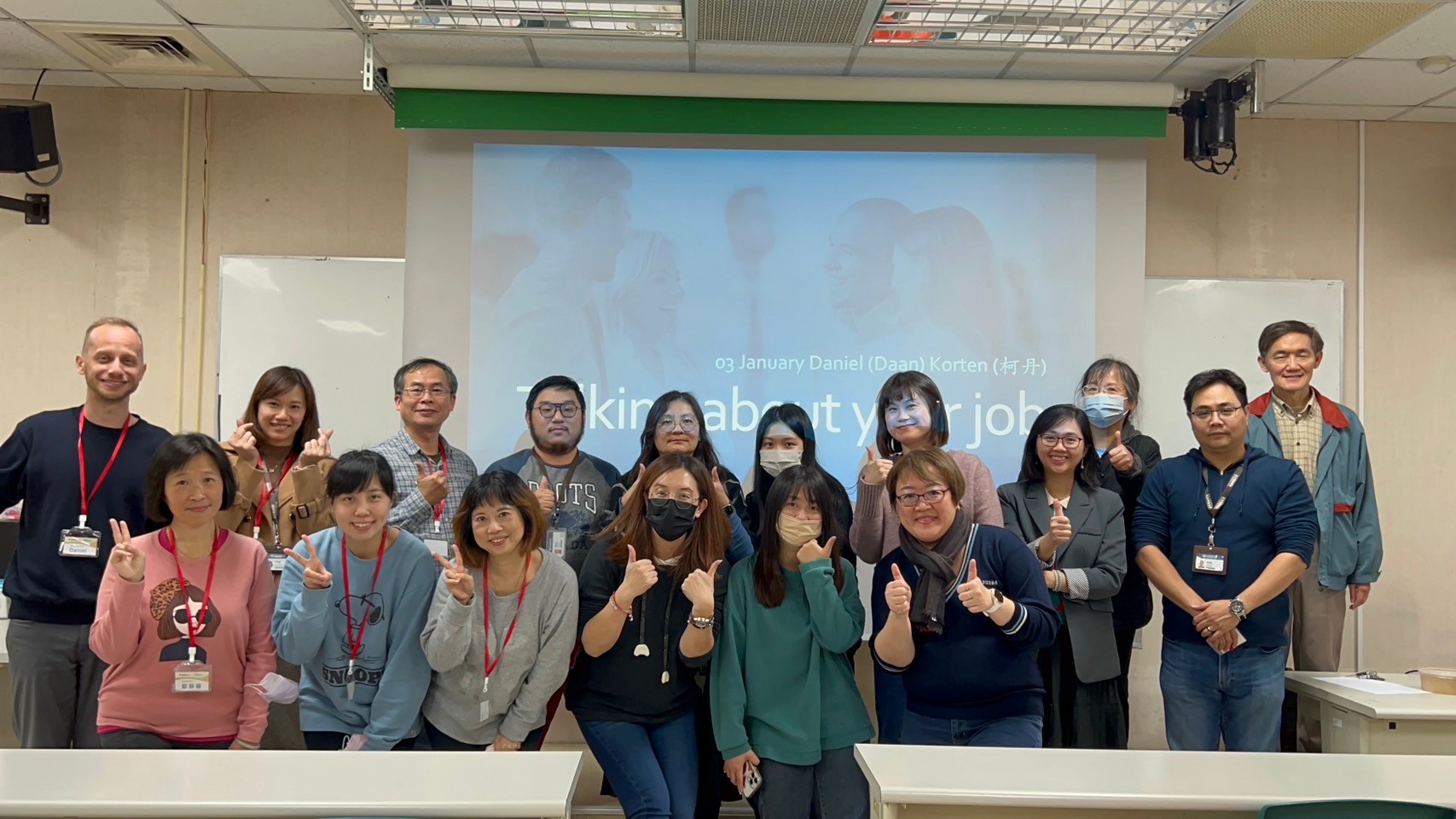
Faculty participation in EMI training and inter-university programs continues to grow, with 23 faculty members trained and 7 earning full PEARSON certification. Incentives encourage EMI curriculum development.
- Development of Bilingual Teaching Assistants (TAs)
Bilingual TAs assist in EMI instruction by managing coursework, facilitating discussions, and preparing instructional materials, helping create a more effective learning environment.
- Enhancement of Bilingual Campus Infrastructure
Investments in language learning software, proficiency assessments, and faculty training programs support independent learning. Key initiatives include Air English Classroom, Tronclass courses, and dedicated faculty service windows.
- Personalized English Learning & Global Opportunities
The university offers customized language support and international study programs, including the Utah High School Study Tour and Fukuoka Institute of Technology English Training. Additionally, seven students completed internships at Montana National Park.
- Advancements in Internationalization & Digital Language Learning
The university continues to develop AR/VR learning tools, interactive language spaces, and the APEC Simulation Classroom. The Lost Treasure AR Quest gamifies language learning and critical thinking for a more engaging experience.
Conclusion
Through curriculum innovation, faculty development, international collaboration, and cutting-edge digital learning, the university is fostering a bilingual learning environment that equips students for academic excellence and global career opportunities.