Chang Gung University of Science and Technology
112 Academic Year Self-Evaluation Report Summary
Overview of the Bilingual Program Development Features and Highlights
The "Ten-fold Growth Training Plan for Bilingual Health Care Personnel" is a comprehensive initiative to enhance healthcare students' English proficiency and international competitiveness significantly. This plan employs a student-centered approach and rigorous EMI (English as a Medium of Instruction) strategies. An overview of its features and highlights is as follows:
- Student-Centered Level-Based English Teaching
First-year students are placed into classes A, B, and C based on their CSEPT results, accommodating varied English proficiency levels. Additionally, English compulsory credits have increased from 4 to 6, including a second-year professional English course (ESP). The language center is crucial in providing diagnostics, tutoring, and self-learning resources to enhance students' English skills. This ensures that students have the necessary support to improve their English proficiency.
- Increased EMI Teaching Incentives and Continuous Teacher Training
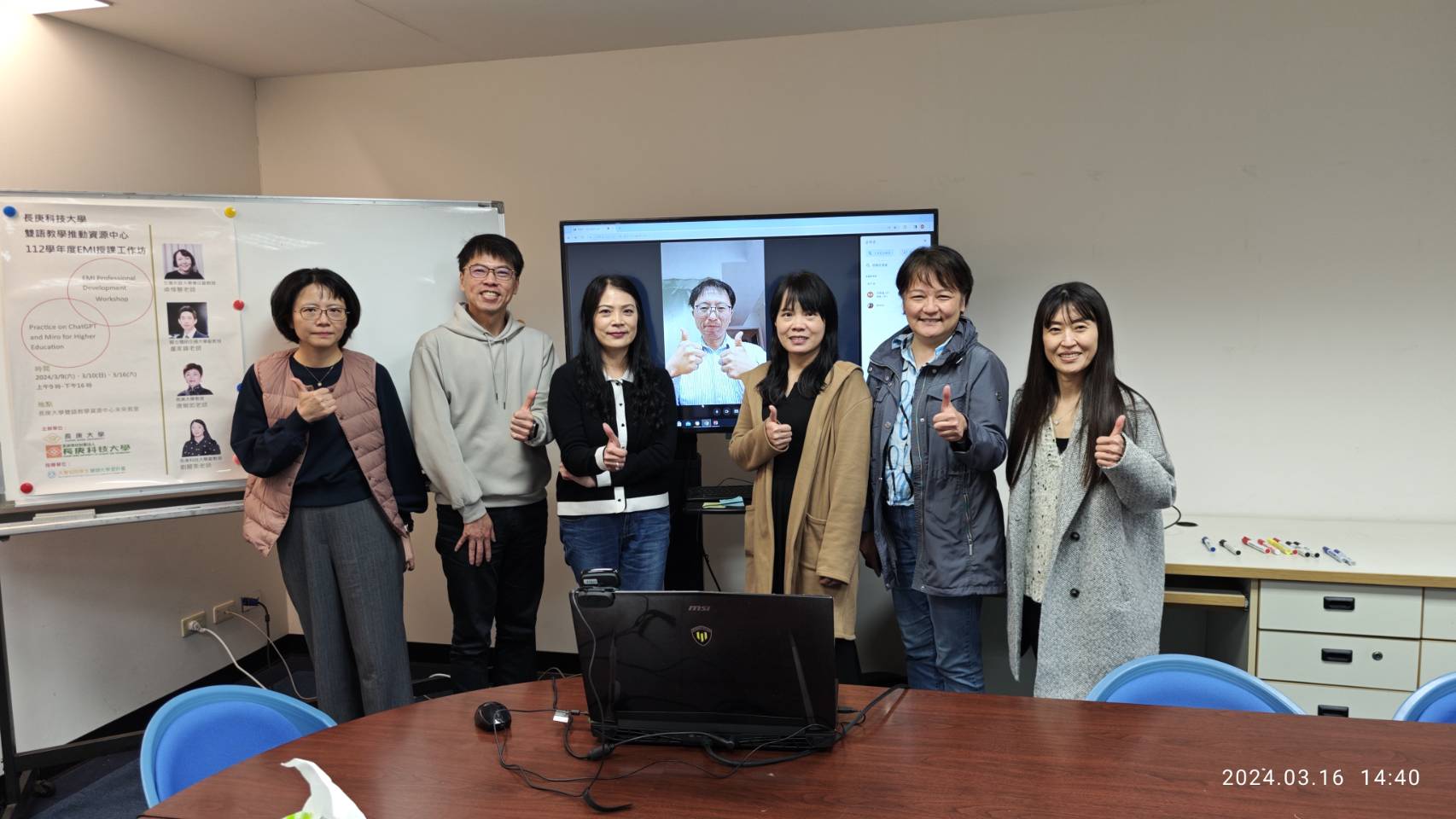
EMI course credit hours are calculated 1.5 times their original value, and teaching incentive subsidies have increased. In the 112th academic year, hour-based EMI subsidies for first-time implementation rose from $3,500/2 hours to $4,500. Course-based EMI subsidies increased from $30,000 to $40,000 per credit hour for first-time implementation. Training programs include foundational and advanced EMI teaching courses, self-directed learning resources, and small-group English conversation courses to enhance teachers' EMI abilities. By the 112th academic year, 60 EMI teachers had been trained, and 21 EMI courses and 40 hour-based courses had been offered.
- Creating an English Atmosphere on Campus
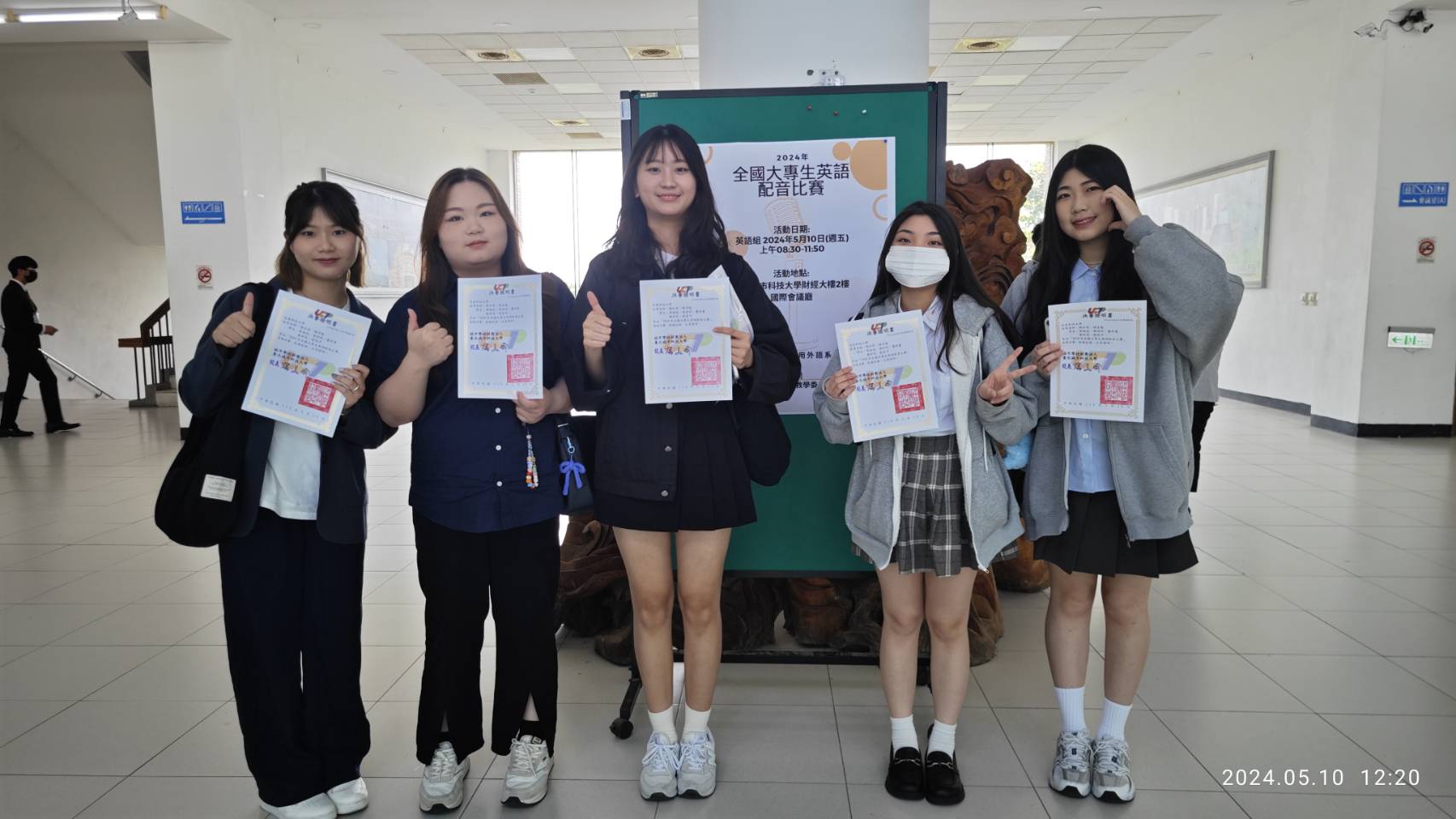
Optimization on campuses includes setting up an English corner at the Chiayi Branch, offering more diversified English-speaking workshops, and writing workshops at both campuses. Writing and speaking practice sessions enhance students' English skills and enthusiasm, aiding successful participation in national English competitions.
- High-Quality EMI Courses with Strong Feedback
EMI courses and incentive applications undergo rigorous review before being offered and subsidized. Continuous EMI courses must pass department-level quality assurance meetings. These courses received high teaching evaluation scores, averaging 4.75 (undergraduate) and 4.92 (graduate) in the 112-1 semester and 4.72 (undergraduate) and 4.77 (graduate) in the 112-2 semester, on a five-point scale.
- Evidence-Based Approach to Improving Teaching Quality through EMI-Related Research
Teachers are encouraged to research EMI-related topics like cooperative learning, multimodal design, and gamification. From academic years 110 to 112, the project has achieved all the indicators. In the 112 academic year, English-only courses accounted for 55% of all English classes, 14.1% of second-year undergraduates and first-year graduates took EMI courses, 13.49% of students raised their English proficiency by one level since entering the school, the school offered 21 EMI courses, and 60 teachers completed EMI training. The plan aims to elevate healthcare students’ English proficiency, preparing them to meet the demands of an increasingly globalized workforce.