National Chiayi University
I. Implementation and Outcomes of the Bilingual Education Program
Our university has implemented The Program on Bilingual Education for Students in College through the following measures:
- Establishing a Promotion Task Force to Strengthen Cross-Organizational Collaboration and Create an Integrated Learning Environment: The “NCYU Bilingual Education Initiative Committee” was established, chaired by the Vice President. The Office of Academic Affairs and the Language Center oversee administrative work related to bilingual education, while the Office of International Affairs facilitates campus internationalization. The program extends across all seven colleges, thereby deepening bilingual education university-wide and providing abundant learning resources for faculty and students.
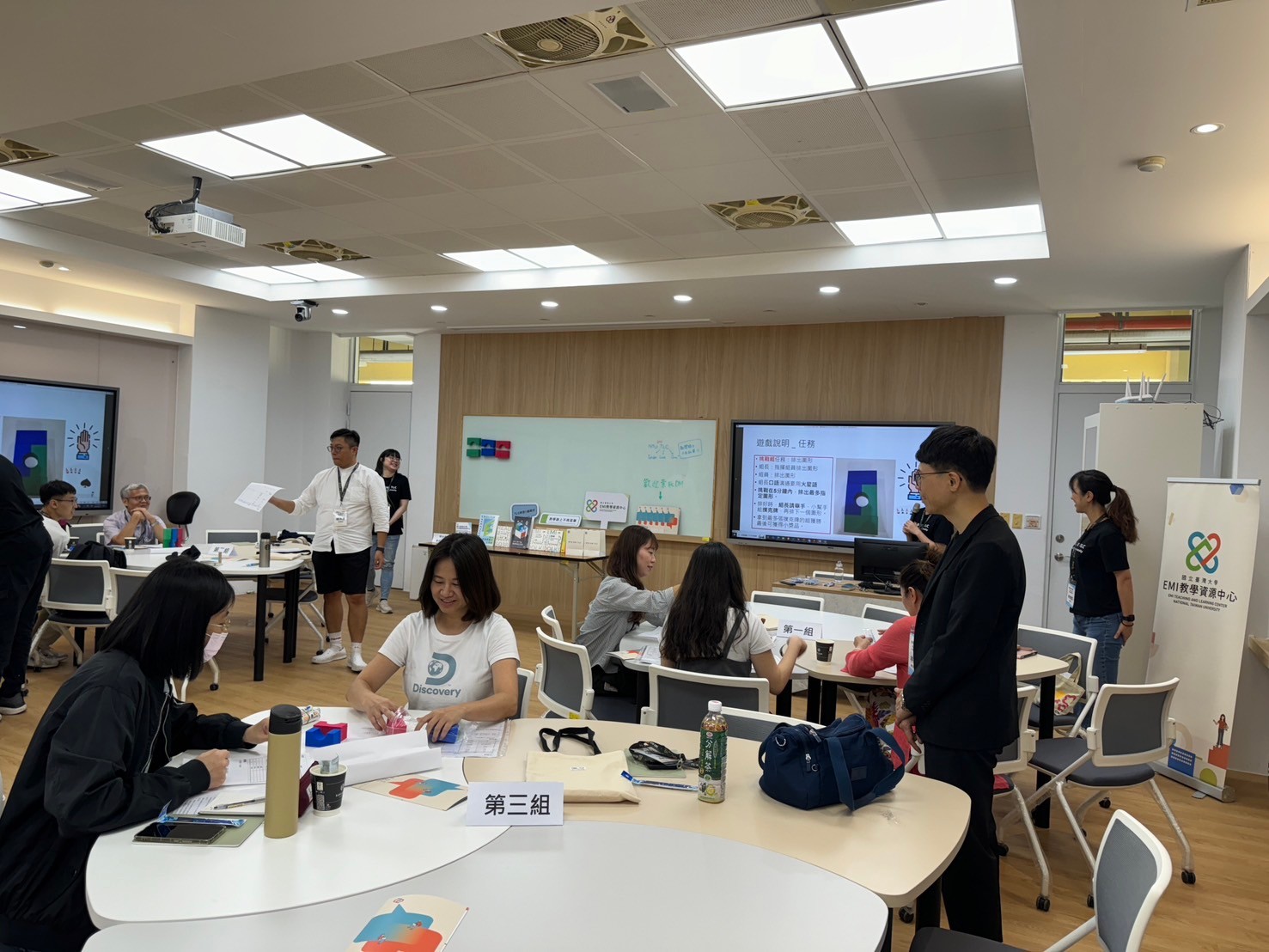
- Providing EMI Incentives and a Language Learning Environment to Enhance English Proficiency:
(1) Various incentive schemes have been introduced, such as the “Pilot Subsidy Program for Students Enrolled in EMI Courses,” which grants financial awards to EMI course takers. In the 2024–2025 academic year, 50 students passed the review and collectively received NT$200,000 in subsidies. Additional incentives include progress awards for listening and reading tests, as well as English competitions for speaking and writing to motivate self-improvement in English proficiency.
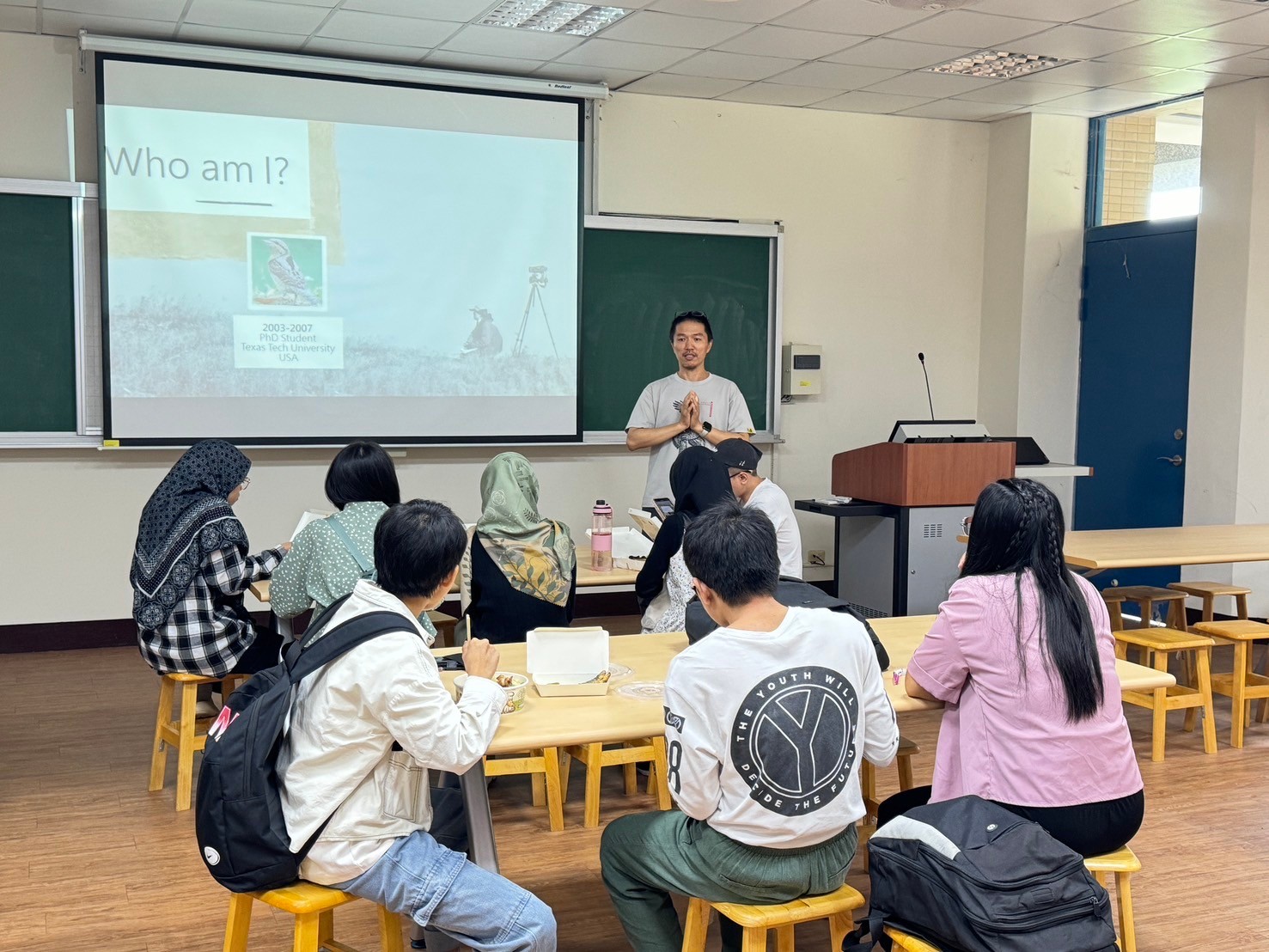
(2) Immersive English environments are created through diverse self-learning activities, including online English learning platforms and in-person events. Different types of competitions with monetary awards are designed to increase participation motivation, such as English dubbing contests and spelling bees. Additional activities include English-speaking sessions (e.g., “Meet with a Foreign Instructor” and International Salons), as well as a series of lectures. Freshman English is structured into tiered compulsory courses that train listening, speaking, reading, and writing. Sophomore students may take elective English courses such as EAP, ESP, and EOP, which are available across colleges. Through this combination of required and elective courses, students’ overall English proficiency is substantially improved. - Enhancing and Supporting Faculty EMI Teaching Capacity: The university continuously revises the “Guidelines for Incentivizing EMI Instruction” and offers incentives such as double hourly pay (including remedial teaching), NT$8,000 for teaching materials, and departmental EMI promotion funds. Faculty are also required to upload at least six recorded sessions to the teaching platform, with additional guidelines ensuring course quality assurance. In 2024–2025, five EMI teaching workshops were organized with 310 participants. The university also joined EMI resource center alliances led by National Sun Yat-sen University and National Chung Hsing University, and disseminated training and workshop information to faculty and students. In addition, the Language Center has established both a “Cross-University EMI Faculty Community” and an “ESP/EAP Faculty Community.” The former convenes EMI instructors from within and beyond the institution to provide consultation on teaching materials, assessments, and pedagogy, thereby ensuring quality and learning effectiveness. The latter primarily consists of English instructors who collaborate with subject specialists to foster professional exchange and pedagogical advancement.
- Implementing EMI Course Quality Assurance and Monitoring Mechanisms: Quality assurance requires EMI instructors to achieve a minimum of 3.5 in course evaluations, provide English syllabi, upload six video recordings or equivalent resources for student review, and submit reflective reports at the semester’s end. In 2024–2025, 25 faculty members participated. For program monitoring, the “Bilingual Education Program Oversight Committee” convenes under the chairmanship of the Vice President, with representatives from the Office of Academic Affairs, Language Center, Office of International Affairs, and each college. The committee reviews progress, provides recommendations, and monitors budget execution.
- Promoting Inter-University Resource Sharing: A dedicated webpage was created to publicize program activities and EMI-related workshops offered by universities and EMI resource centers. NCYU has also joined the National University System of Taiwan and the Southern Regional EMI Resource Center led by National Sun Yat-sen University, thereby expanding EMI teaching resources for faculty.
- Creating a Bilingual Campus Environment: The Language Center offers English speaking courses for administrative staff to strengthen institutional English capacity. Departments are also encouraged to pursue internationalization in alignment with their academic specialties under the initiative “One Department, One College, One Internationalization.” This cultivates a campus environment rich in multicultural experiences and enhances students’ global competencies while facilitating international academic exchange and collaboration.
II. Mechanisms for Program Self-Evaluation
The program office convenes oversight meetings every two months to review the progress of sub-projects and monitor budget execution. From August 2024 to July 2025, three such meetings were held to assess work completion rates and performance indicators, with ongoing follow-up for unmet targets. A dedicated program webpage disseminates program achievements, and program outcomes are showcased at campus exhibitions to ensure transparency and engagement with the university community.
In terms of curriculum reform, after four years of program implementation and expert evaluations, the Freshman English program has been restructured. Beginning in the 2023–2024 academic year, the placement test was replaced by the British Council’s EnglishScore Core Skills Test. A pre-test is administered at the start of the first semester, followed by a post-test at the end of the second semester, with results aligned to CEFR standards to track listening and reading proficiency. Additionally, a speaking test was introduced in the first semester and a writing test in the second semester, thereby offering a comprehensive assessment of students’ four English language skills (listening, speaking, reading, and writing).