:::
 Back to Year 2024
SCHOOL
National Chin-Yi University of Technology
Abstract
I. Summary of BEST Project
A. Characteristics:
- Developing Workplace-Oriented EMI Courses: Each department designs specialized elective EMI (English as a Medium of Instruction) courses based on its professional discipline, aiming to enhance students’ expertise in professional English. In the 113 academic year, the proportion of sophomore students enrolled in EMI courses reached 29.75%, surpassing the target of 27%. This indicates that student participation in EMI courses exceeded the expected goal.
- Creating EMI Teaching and Learning Environment: With faculty across the university engaged in EMI instruction, the bilingual teaching atmosphere has been broadly enhanced and extended to all academic disciplines. As a result, 41% of daytime program students are enrolled in EMI and ESP (English for Specific Purposes) courses.
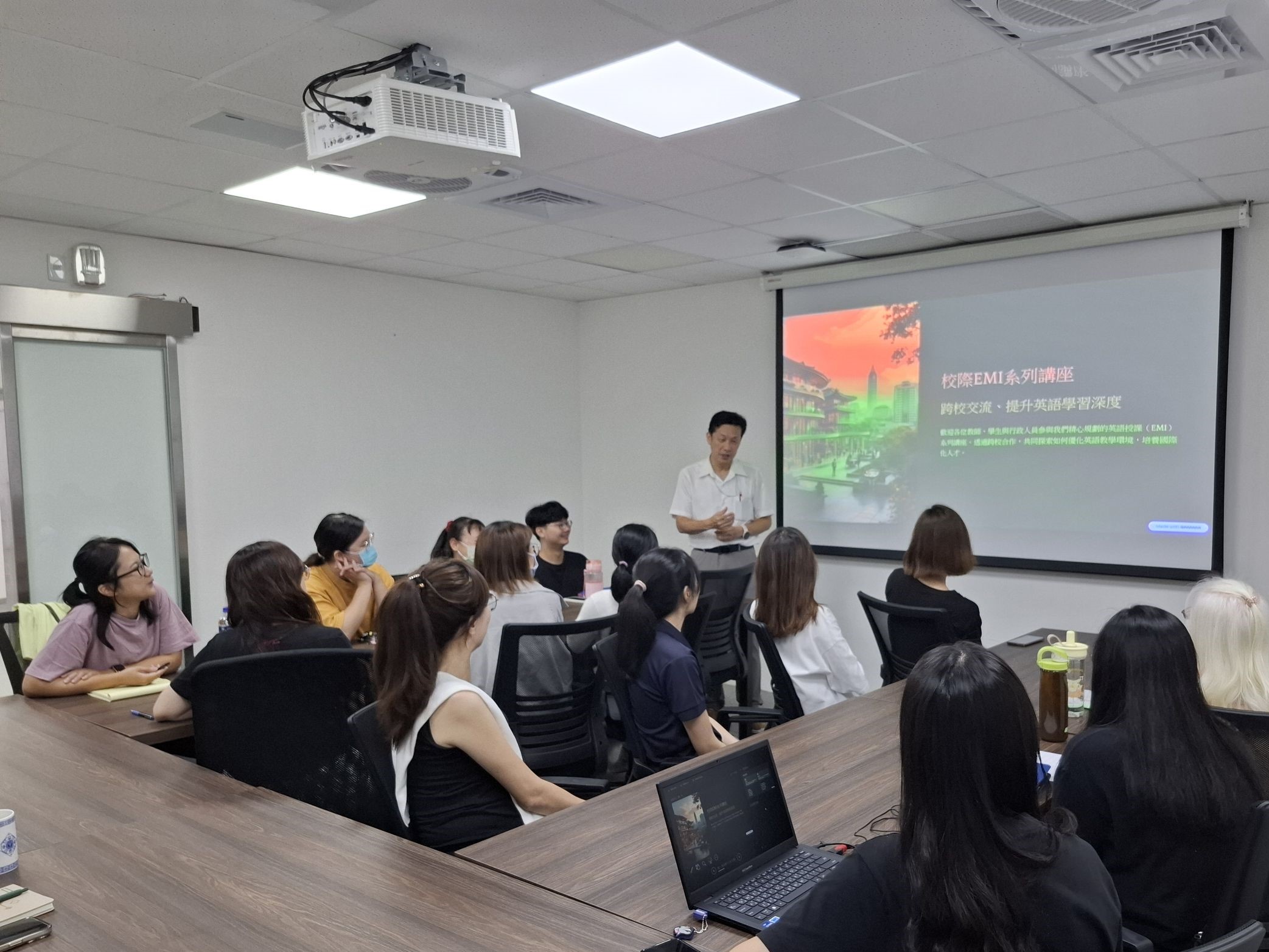
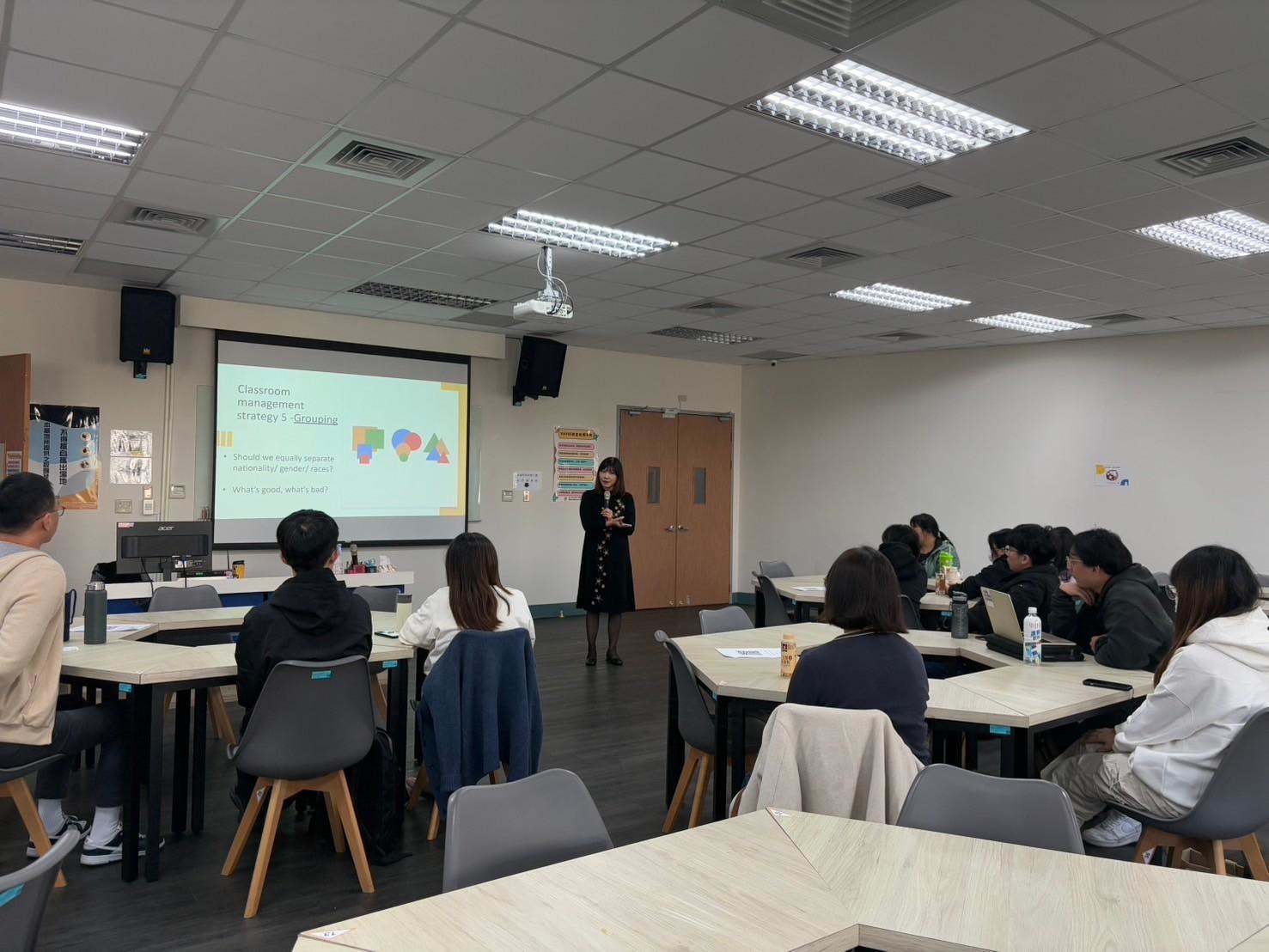
- Promoting Public and Collaborative EMI Courses: In the 113 academic year, EMI classroom observations were opened, with a total of seven participants taking part. Through these sessions, they learned new teaching techniques and strategies, encouraging more faculty members to engage in EMI instruction.
- Peer Learning Community for EMI Teachers: Within the Community of Practice for EMI teaching and enhancement, a total of four on-campus teaching communities were established in the 113 academic year, with 44 faculty participants. In addition, seven faculty members from our university joined with nine faculty members from five other universities to form six inter-university teaching communities.
- English-Only TAs Assisting in Freshman English Courses: To promote freshman English courses taught entirely in English, English-only Teaching Assistants (TAs) were assigned to assist in class. These TAs supported instructors in guiding students’ group work, particularly in developing English speaking and writing skills. Training was provided by the Language Center, and only those who successfully completed the training were qualified to serve as English-only TAs. In the 113 academic year, a total of 15 English-only TAs were recruited.
B. Achievements:
- Strengthening Students’ Foundational English Proficiency: In the 113 academic year, pre- and post-tests were administered for students enrolled in freshman English courses and English proficiency test-related courses, with an improvement rate of 59.18% in English scores, indicating a significant enhancement in students’ foundational English proficiency. At the same time, the English Elite Program admitted 71 students, focusing on TOEIC listening and reading training. With a positive learning attitude, students showed remarkable progress in their final results: 20 students improved by more than 200 points, with the highest improvement reaching 370 points. These outcomes demonstrate students’ strong commitment to English learning and the outstanding effectiveness of the program.
- Developing Students’ Professional English Proficiency: In the 113 academic year, the proportion of daytime program students enrolled in EMI courses reached 29.75% for sophomores and 48.18% for first-year master’s students. With the improvement of their English proficiency, a total of 14 students applied for overseas study programs, and 34 students participated in overseas internships.
- Enhancing Faculty’s English-Medium Instruction (EMI) Teaching Competence: Faculty members are encouraged to participate in EMI training programs. By the 113 academic year, a total of 47 faculty members had obtained EMI teaching certification.
- Effective Use of the Bilingual Education Resource Center: By the 113 academic year, a total of 86 faculty members had applied for Grammarly accounts, 10 faculty members participated in seven EMI training sessions across three universities, and two faculty members completed a 36-hour EMI Plus program. In addition, in collaboration with the Bilingual Education Resource Center at National Sun Yat-sen University, the university organized three workshops, with 21 participants attending in person.