Da-Yeh University
In the 2024 academic year, Da-Yeh University made significant progress in advancing its bilingual education initiative under the Ministry of Education’s Program on Bilingual Education for Students in College (BEST). The university’s development strategy emphasized four key areas: governance, faculty professional development, student learning, and cross-institutional as well as industry collaboration.
First, in terms of governance, the establishment of the Language Teaching Resource Center has provided systematic leadership and administrative support for EMI promotion. With the President’s supervision, regular bi-monthly monitoring meetings, and a cross-functional EMI Steering Committee, the university has ensured program accountability, alignment with institutional strategies, and transparent communication with stakeholders.
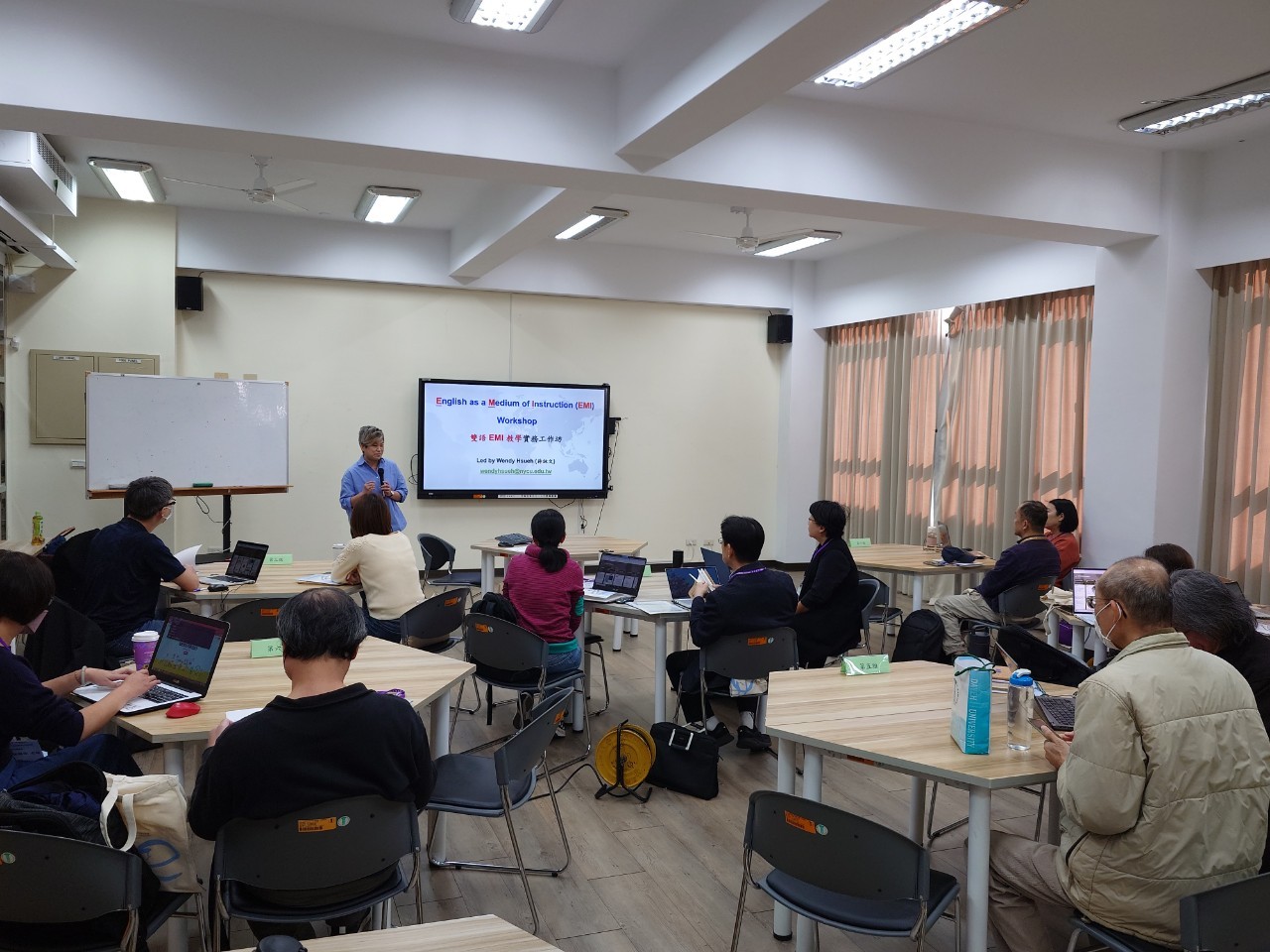
Second, faculty professional growth was reinforced through 14 EMI teaching workshops and four thematic on-campus teacher communities, focusing on arts, smart teaching, language integration, and healthcare education. In addition, Da-Yeh University actively participated in four cross-institutional communities, such as ESAP for Environmental and Electrical Engineering, peer observation groups, and the EMI Digital Creativity Community of Practice, playing leadership roles in national EMI networks. These initiatives fostered collaborative preparation, pedagogical innovation, and sustainable professional support for EMI instructors.
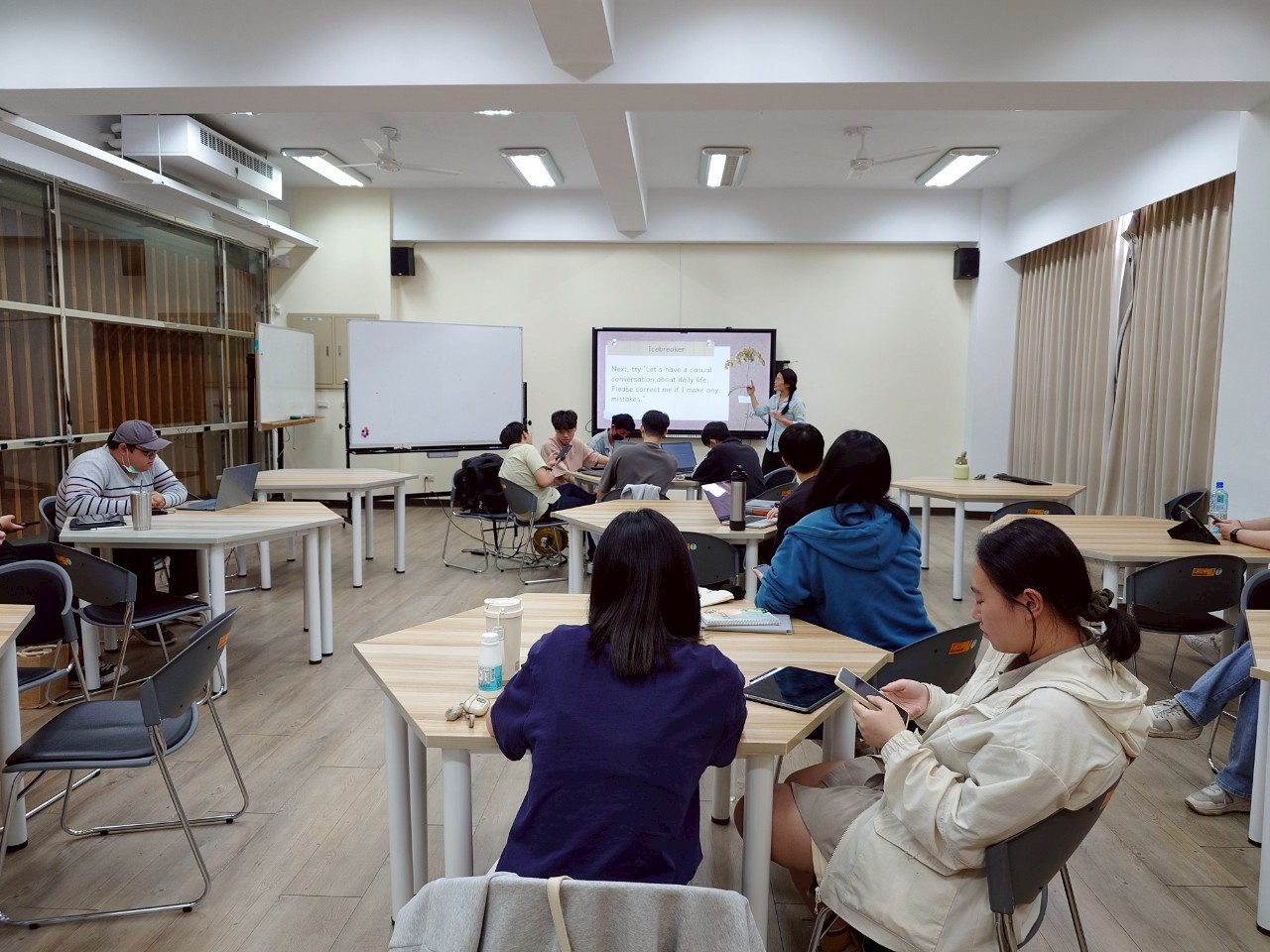
Third, student learning outcomes demonstrated remarkable improvement. In 2024, 42 EMI courses were offered, accounting for 2.7% of total courses, attracting 419 students, including both domestic and international learners. The proportion of sophomores and first-year graduate students enrolled in at least one EMI course reached 22.87% and 15.27%, respectively, far exceeding the national benchmark of 6%. Complementary initiatives such as the Language Learning Navigation Center, with over 67,000 participations in its seven learning tracks, and diverse EAP/ESP offerings, significantly enhanced students’ English proficiency, confidence, and engagement.
Fourth, beyond the classroom, Da-Yeh University hosted international academic conferences, intercultural events, and industry-focused lectures to bridge academic knowledge with real-world practice. Activities such as the Taiwan-Vietnam Environmental Technology Exchange, the CombatFit English Challenge, and applications of expressive artwork enabled students to apply English in authentic disciplinary and intercultural contexts. Meanwhile, administrative staff participated in English oral training courses, achieving an average satisfaction score above 4.8/5, contributing to a more English-friendly campus environment.
Overall, the program has generated a positive cycle: faculty development leads to innovative teaching, students benefit from enriched learning outcomes, and institutional visibility is strengthened through national and international collaboration. Moving forward, Da-Yeh University will further expand EMI faculty training, cross-institutional and industry partnerships, and administrative English proficiency programs. These efforts aim to establish a sustainable ecosystem of “professional collaboration × pedagogical innovation × student achievement,” laying a solid foundation for Taiwan’s 2030 bilingual education vision.