Lunghwa University of Science and Technology
1. Student English Proficiency Enhancement Measures
(1) Tiered Teaching and Promotion/Demotion Mechanism: Freshmen undergo English proficiency tests during orientation. Compulsory freshman English courses are tiered by college, with high-level classes conducted entirely in English. Re-tiering occurs in the sophomore year based on freshman performance.
(2) Strengthening Freshman EGSP Curriculum: Since the 111 academic year, General English courses have transitioned from EGP to EGSP, providing professional knowledge-based content and extracurricular self-learning materials tailored to each college.
(3) Enhancing Professional English Learning: Standardized by college, the university holds professional English vocabulary competitions, selecting outstanding students for regional and national contests.
(4) Department-Specific ESP Software: Sophomore workplace professional English courses integrate department-specific software for learning and assessment to improve outcomes.
(5) Integrating English Courses with Competitions: Campus-wide English competitions are held every semester based on general and professional English curricula to promote learning.
(6) CEFR High-Level Proficiency Incentives: Students passing the CEFR C1 exam receive a 9,000 TWD incentive; B2 level receives 6,000 TWD. For EMI students, these incentives are increased to 20,000 TWD (C1) and 10,000 TWD (B2).
2. Establishment of Campus EMI Teaching and Support Systems
(1) Small-Class EMI Positioning: Classes are limited to a range of 15 to 30 students to facilitate interaction and reduce faculty burden.
(2) Improving EMI Teacher Qualifications: The university conducts ongoing faculty training and encourages teachers to obtain EMI certification. Currently, 37 faculty members hold internationally recognized EMI training certificates.
(3) EMI TA Selection: A selection process prioritizes high-performing local and international students who have taken EMI courses, supplemented by training to improve classroom participation.
(4) International Exchange Student Participation: The university promotes localized internationalization by encouraging international students to take EMI courses, broadening global perspectives for local students.
(5) Multi-Faceted Quality Assessment: EMI course quality is evaluated each semester through video feedback, surveys, and student proficiency pre/post-testing.
(6) Encouraging Freshman EMI Enrollment: The university conducts orientation and seminars for high-level English students to explain the benefits and incentives of the EMI program.
3. Other Supporting Measures
(1) Policy Revisions: The "Regulations for English-Medium Instruction" defines teaching hour fee incentives for faculty, while the "Incentive Regulations for English-Medium Professional Courses" provides student rewards.
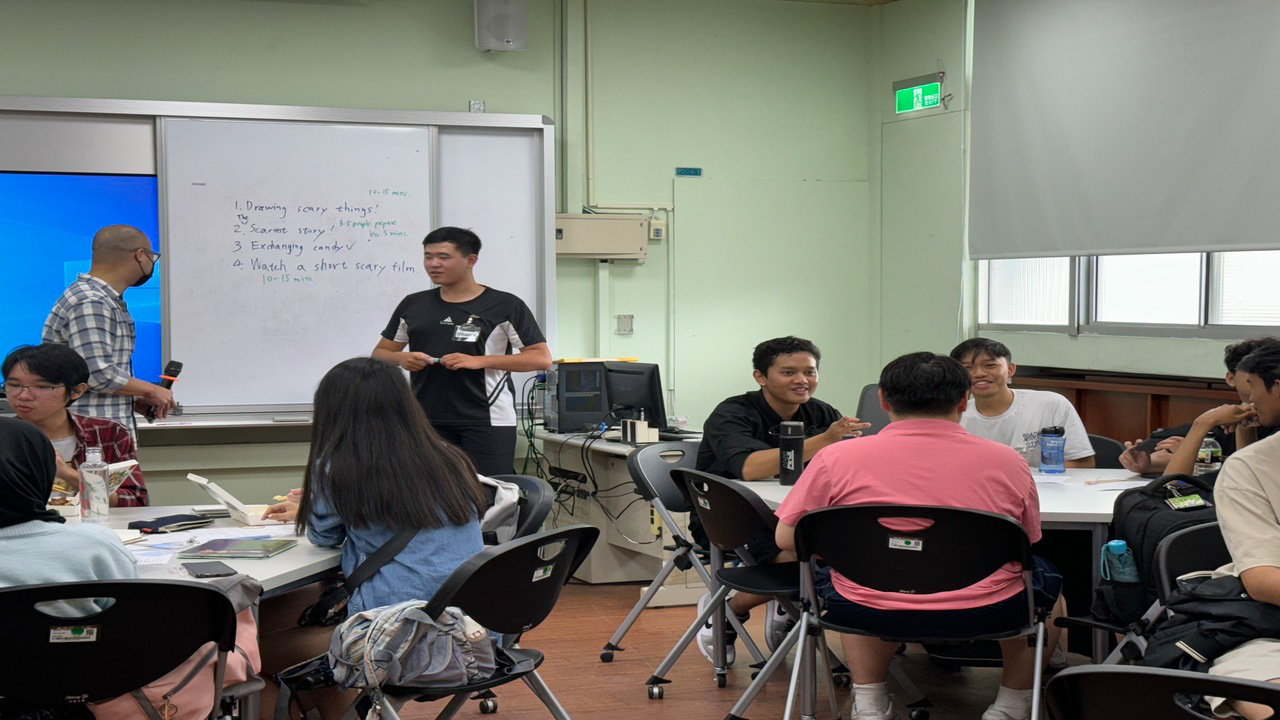
(2) Innovative English Teaching: Teachers are encouraged to adopt non-lecture-based teaching models to improve engagement.
(3) Resource Integration: Cross-departmental cooperation is used to share resources and jointly promote the bilingual program.
(4) Utilizing Regional Bilingual Resources: Faculty are encouraged to participate in training sessions offered by regional bilingual resource centers.
(5) Institutional Research (IR) on EMI: EMI-related issues are included in annual institutional research to monitor progress and outcomes.
4. Key Program Results and Highlights
(1) Increased Certification: In the 113 academic year, students earned 891 professional-level English certifications and various CEFR certifications (605 at A2, 254 at B1, 31 at B2, and 1 at C1).
(2) Innovative Teaching Success: 32 general English teachers implemented innovative teaching for over three weeks in the 113 academic year, achieving an average satisfaction rating of 89.39.
(3) High Student Satisfaction with EMI: Students expressed high satisfaction with EMI courses in the 113 academic year. For the 113-2 semester, seven courses achieved an average teaching satisfaction score of 92.50, outperforming the school-wide average.
(4) Significant Improvement in Pre/Post-Testing: Since adopting the EGSP curriculum, students in the Engineering, Management, and Humanities/Design colleges have shown significant progress in English proficiency compared to the 111 and 112 academic years.
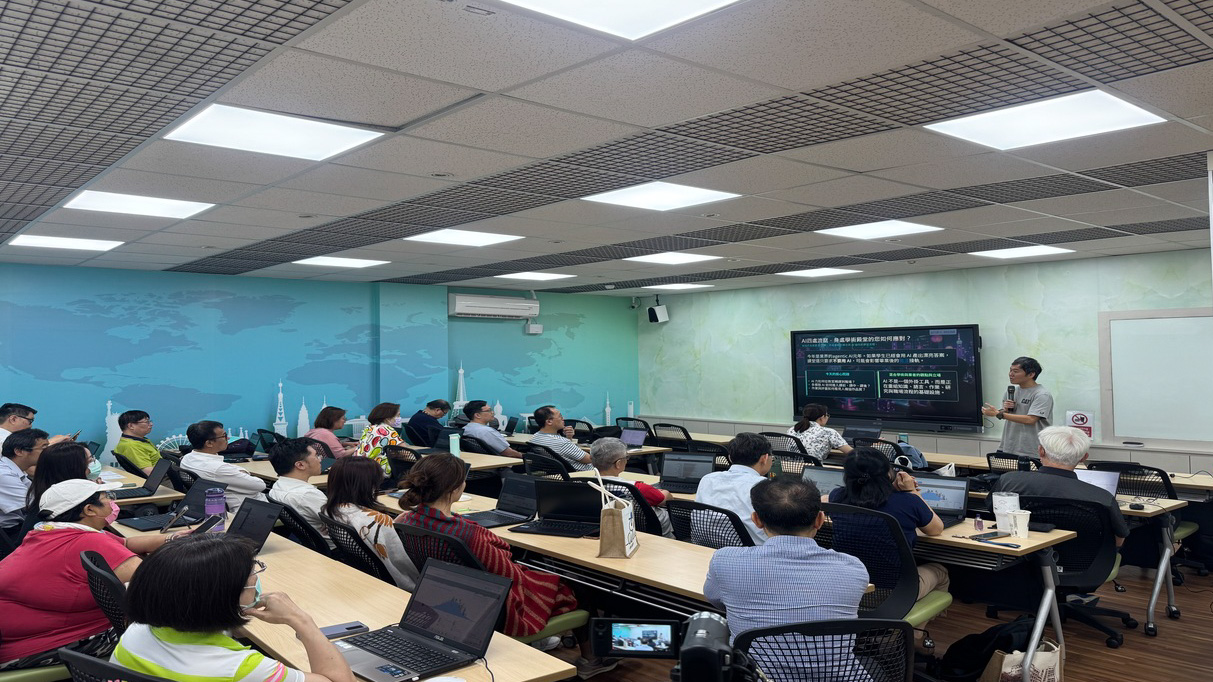
(5) Enhanced Faculty EMI Competency: In the 113 academic year, 13 EMI training sessions (73 hours total) were held, with over 200 participants.
(6) EMI Classroom Observation: A systematic observation mechanism requires EMI teachers to submit videos for expert feedback. 1 in-person observation and 26 asynchronous observations were conducted in the 113 academic year.
(7) Outstanding Competition Results: Faculty and students achieved 18 awards at the 2024 PVQC National Contest and 31 awards at the 2025 Taoyuan English Elite Cup, with the Department of Finance and Department of Information Management winning team championships and runner-up titles, respectively.