National Taiwan Normal University
National Taiwan Normal University was selected by the Ministry of Education as one of the Benchmark Universities of the BEST Program, a distinction that reflects its excellence in bilingual instruction and talent development, while also underscoring its strong foundation and significant potential in advancing bilingual learning. Recognizing this opportunity as a catalyst for institutional transformation, the University has strategically leveraged the project to drive meaningful and sustainable change. Guided by a clear vision, supported by well-defined strategies, and strengthened through institution-wide commitment, the University has implemented the project with consistency and rigor. Over the past four years, these efforts have yielded substantial achievements, resulting in the establishment of a distinctive and sustainable model for bilingual education. Key accomplishments are summarized below.
I. Establishing a Comprehensive EMI Learning Ecosystem through a University-Based Curriculum Development Model
Following the approval of the project, the University established the Office of Bilingual Education as the central coordinating unit responsible for strategic planning, resource integration, and project implementation across the institution.
In curriculum development, the University adopted a school-based approach grounded in contextual analysis. A comprehensive SWOT analysis was conducted to assess institutional strengths, challenges, and resource allocation related to bilingual education. Input was systematically gathered from a wide range of stakeholders—including faculty members, students, administrative units, and industry partners—to build institutional consensus. Based on these consultations, 35 performance indicators that are both ambitious and achievable were developed to guide the University's bilingual education initiatives.
To ensure effective governance, the project is directly overseen by the University President, with regular steering committee meetings convened to review progress and make evidence-based adjustments to project strategies and objectives. Beyond formal curriculum reform, the University recognizes the critical role of co-curricular and hidden curricula in enhancing learning outcomes. Through close collaboration among academic, administrative, and support units, the University has cultivated a holistic learning environment and gradually developed a systematic, sustainable, and institutionally distinctive model for promoting bilingual education.
II. Developing a Diverse and Theory-Informed Curriculum to Cultivate Globally Competitive Graduates
The University's curriculum reform initiative is guided by the vision of "Opportunity with Options," which seeks to expand learning opportunities and optimize educational pathways for students. Through this initiative, students strengthen their bilingual competencies within their disciplines while developing into globally minded citizens equipped with professional expertise, intercultural communication skills, and international perspectives.
The curriculum framework is grounded in sound pedagogical principles and designed around student learning needs. In response to substantial improvements in student proficiency, the University launched a second phase of curriculum enhancement in Academic Year 2024–2025. While maintaining English as the medium of instruction across courses, English I and English II were upgraded to English for Academic Purposes (EAP), and English III was redesigned as English for Specific Academic Purposes (ESAP), thereby strengthening students' academic and discipline-specific language competencies.
The University has also established a comprehensive and diversified EMI curriculum portfolio. At the undergraduate level, every department offers a minimum of 18 credits of EMI coursework. At the graduate level, about 70% of our graduate programs offer Graduate Programs in English (GPE). In addition, the University has expanded interdisciplinary English-medium certificate programs and continues to develop Undergraduate Programs in English (UPE). As of Academic Year 2024–2025, 6 UPE programs had been approved, demonstrating the University's significant progress in advancing curriculum internationalization.
Particularly noteworthy are the University's nationally unique International Baccalaureate (IB) teacher education program and its pioneering industry-academia collaborative EMI courses. These initiatives explicitly connect language proficiency with career readiness, thereby enhancing student motivation and engagement. In Academic Year 2024–2025, the University offered more than 937 courses, providing students with extensive and diverse learning opportunities.
III. Building a Nationally Leading Student Support System and a Model for Intercultural Co-Learning
To enhance student success, the University established the Center for Academic Literacy (CAL), the first dedicated unit in Taiwan focused specifically on developing academic English competencies. CAL serves as a cornerstone of the University's student support infrastructure.
CAL employs more than ten advisors with diverse academic backgrounds and international experiences who provide individualized academic English writing and speaking consultations. CAL delivers more than 80 hours of consultation services per week on average and remains operational throughout winter and summer breaks. Its overall service volume ranks among the highest nationwide.
In addition to one-on-one consultations, CAL offers a comprehensive suite of support services, including specialized writing and speaking courses, scholarly publications, workshops, writing camps, and guest lectures. CAL also develops instructional materials, educational videos, podcasts, and other learning resources that are freely available to students across Taiwan's higher education sector, thereby extending its impact beyond the University.
More recently, CAL has integrated artificial intelligence tools into its support services to enhance learning outcomes. These innovations assist students with EMI coursework, research reports, and graduate thesis writing. Owing to both its operational model and learning environment, CAL has become a benchmark that is frequently visited and emulated by universities throughout Taiwan.
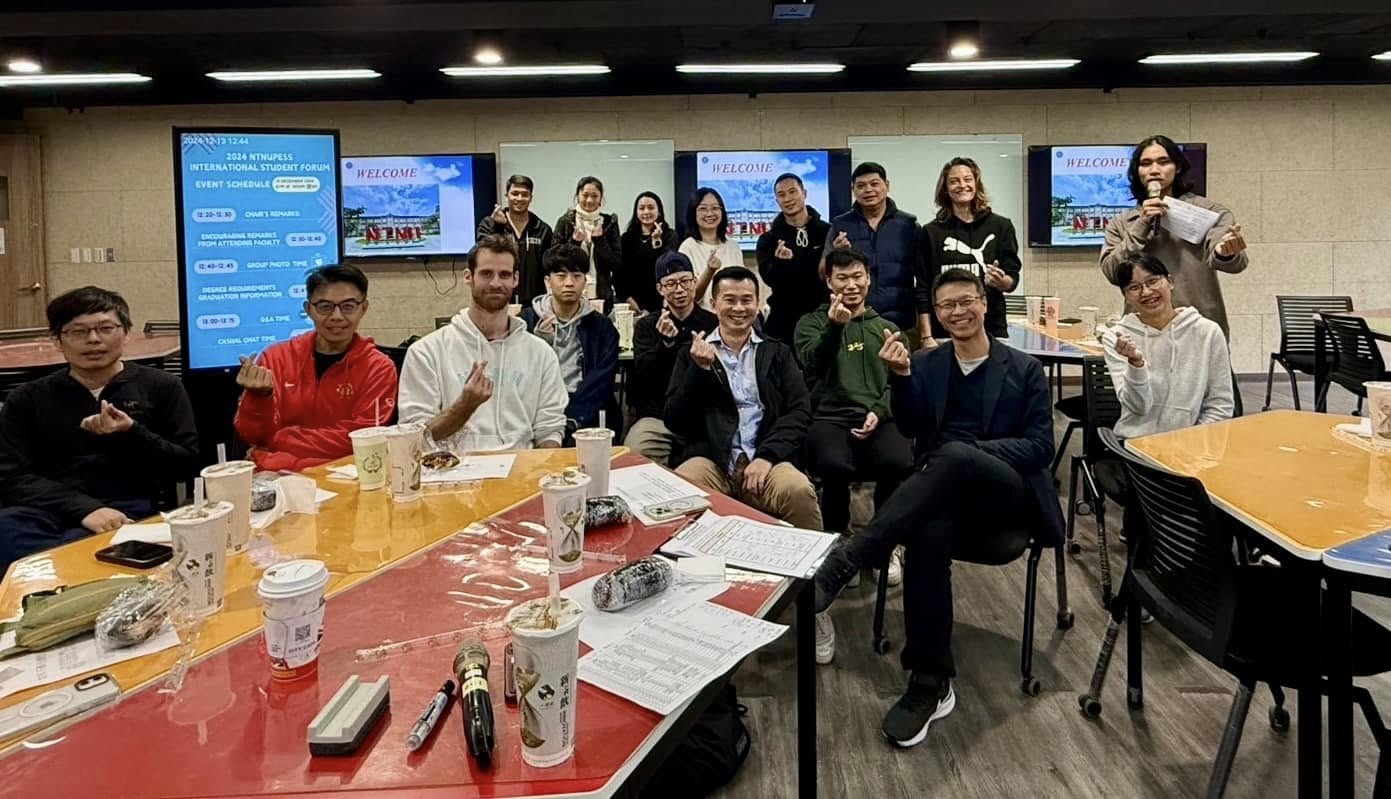
The University also benefits from having the largest population of international degree-seeking students and Mandarin Training Center international students in the country, creating a rich and diverse environment for intercultural learning. Initiatives such as cultural-sharing activities within GPE courses, English reading circles, and English conversation programs bring together domestic and international students in meaningful ways. Furthermore, the University continues to expand dual-degree and study-abroad opportunities, enabling students not only to develop language proficiency but also to deepen intercultural understanding and global awareness. These experiences contribute to the cultivation of future leaders with international mobility and intercultural competence.
IV. Expanding Institutional Impact through Resource Sharing and Educational Leadership
With the support of the Ministry of Education, the University established the Resource Center for EMI (RCEMI) to advance institutional development. Building upon its strong internationalization foundation and disciplinary strengths in education, the University has actively shared its successful practices with higher education institutions across Taiwan and has emerged as a leading force in advancing bilingual education nationwide.
Since its establishment, RCEMI has developed a comprehensive inter-university support network and implemented a wide range of initiatives, including faculty professional development programs, cross-institutional faculty communities of practice, teaching assistant training, and academic English advisor training. To date, RCEMI has served 117 higher education institutions and supported the successful completion of professional training by 385 faculty members and 273 students.
The University has also adopted an evidence-based approach to project implementation and evaluation. Through continuous action research and reflective practice, it has systematically assessed project outcomes and refined its strategies over time. These efforts have resulted in the development of multiple innovative models tailored to Taiwan's higher education context, including project governance frameworks, curriculum development models, faculty development modules, student support systems, and digital learning resources. All of these resources have been openly shared with partner institutions, generating substantial benefits for educators and students alike.
In addition, the University organizes annual international conferences, professional workshops, and scholarly publications that bring together leading experts and practitioners from Taiwan and abroad. These activities have strengthened the University's academic influence and practical impact while solidifying our position as a national leader in bilingual and EMI education.
In summary, through the implementation of the BEST Program, the University has successfully established an effective and scalable model for promoting bilingual learning in higher education. The project has not only produced demonstrable outcomes within the institution but has also generated broader influence across Taiwan's higher education landscape, positioning the University as a key contributor to the advancement of bilingual and internationalized education.
Figure 1. In 2024, NTNU's Department of Physical Education fostered interactive learning between local and international graduate students through the International Student Forum.
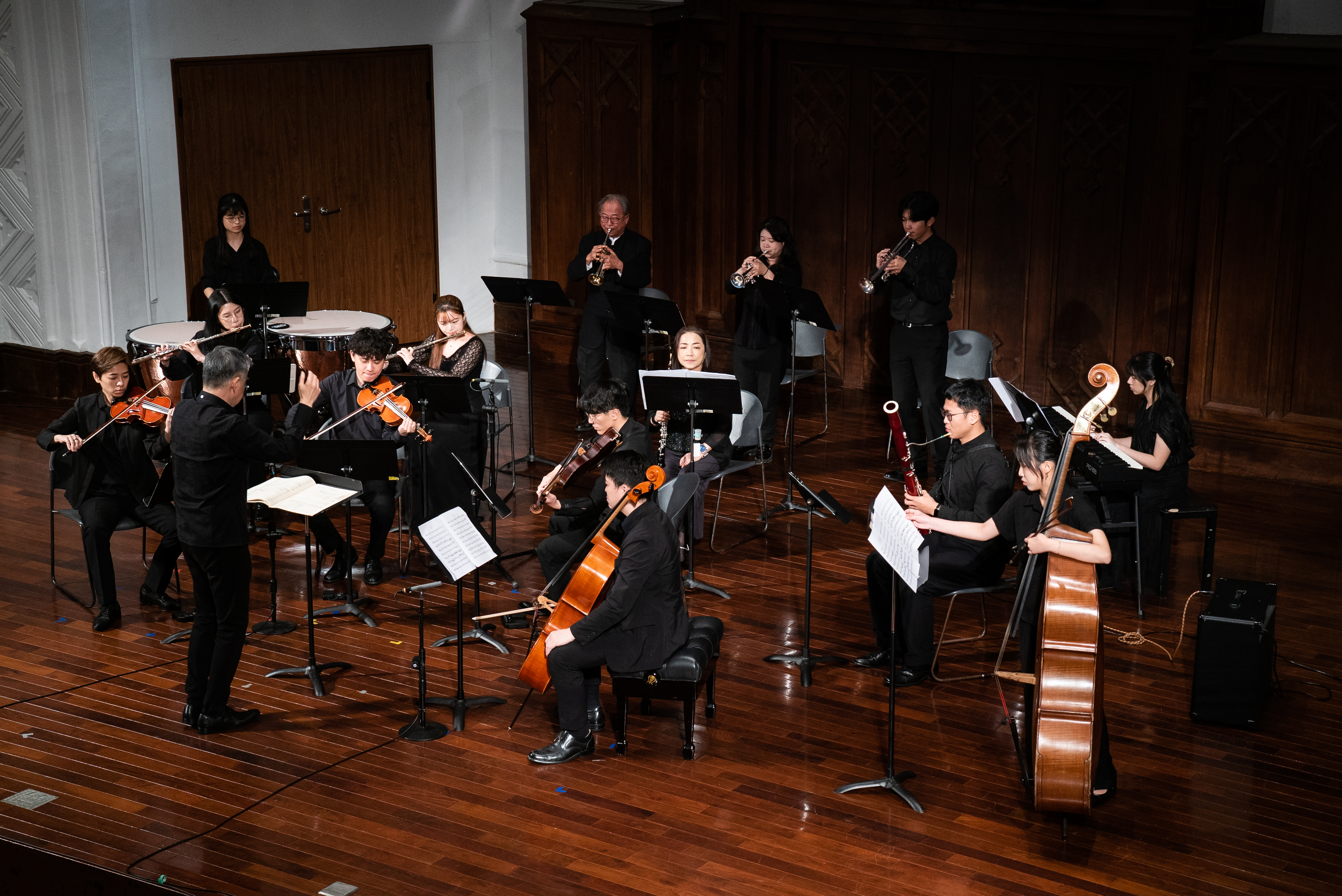
Figure 2. Department of Music's large-scale performance events have been fully bilingualized, from program notes and repertoire introductions to concert programs.