National Cheng Kung University
Since 2021, National Cheng Kung University (NCKU) has implemented the Program on Bilingual Education for Students in College (BEST) to enhance global competitiveness. By adopting English as the medium of instruction and intercultural communication, the university aims to cultivate graduates with strong disciplinary knowledge, proficiency in English, and international perspectives. In 2023–2024, NCKU consolidated previous progress and achieved new milestones, leading to its official designation as a Model Bilingual Education University by the Ministry of Education.
A key achievement was the expansion of English-Medium Instruction (EMI). The university offered 1,246 EMI courses across ten colleges and ninety-eight departments, accounting for 21.2% of all courses, up from 799 courses (10.9%) in 2019. To ensure quality, NCKU institutionalized faculty support systems, training over 200 TAs annually, and conducting workshops on digital tools and student-centered learning. Incentives such as the EMI Teaching Excellence Awards have recognized 33 faculty members since 2021, including those from the humanities and social sciences. Online platforms such as Coursera and Purdue Online were also integrated to enrich instruction.
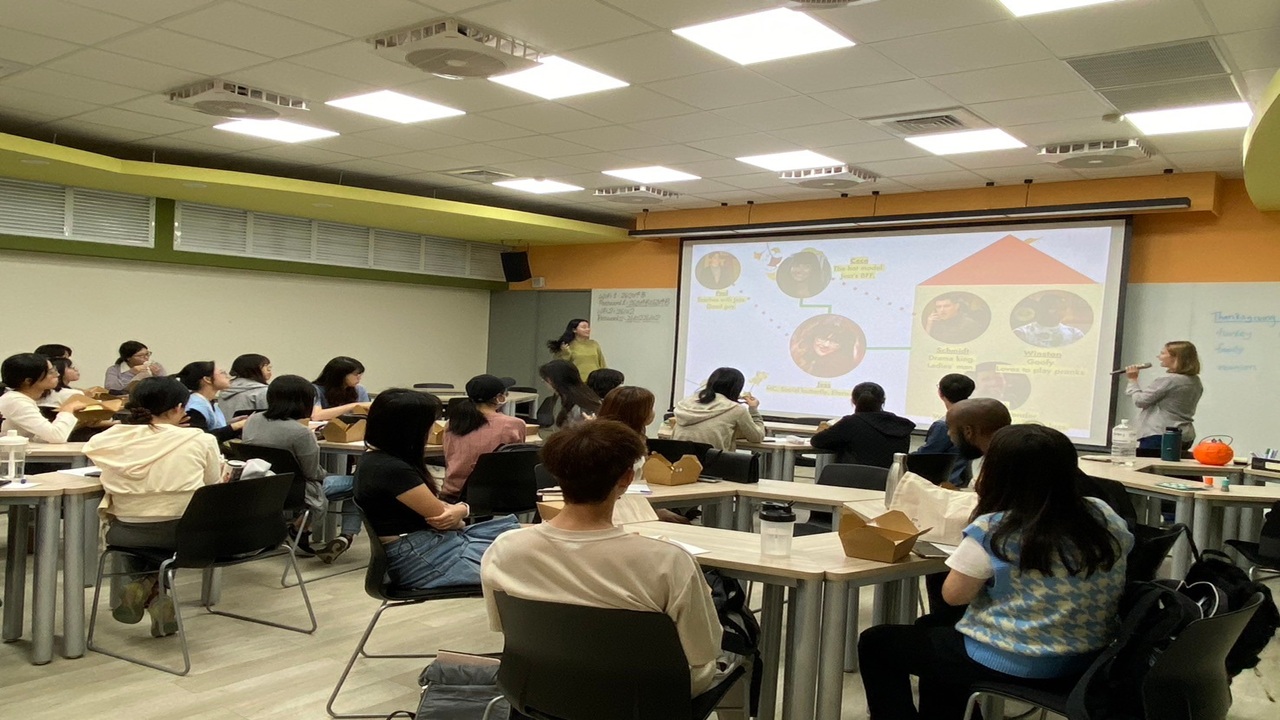
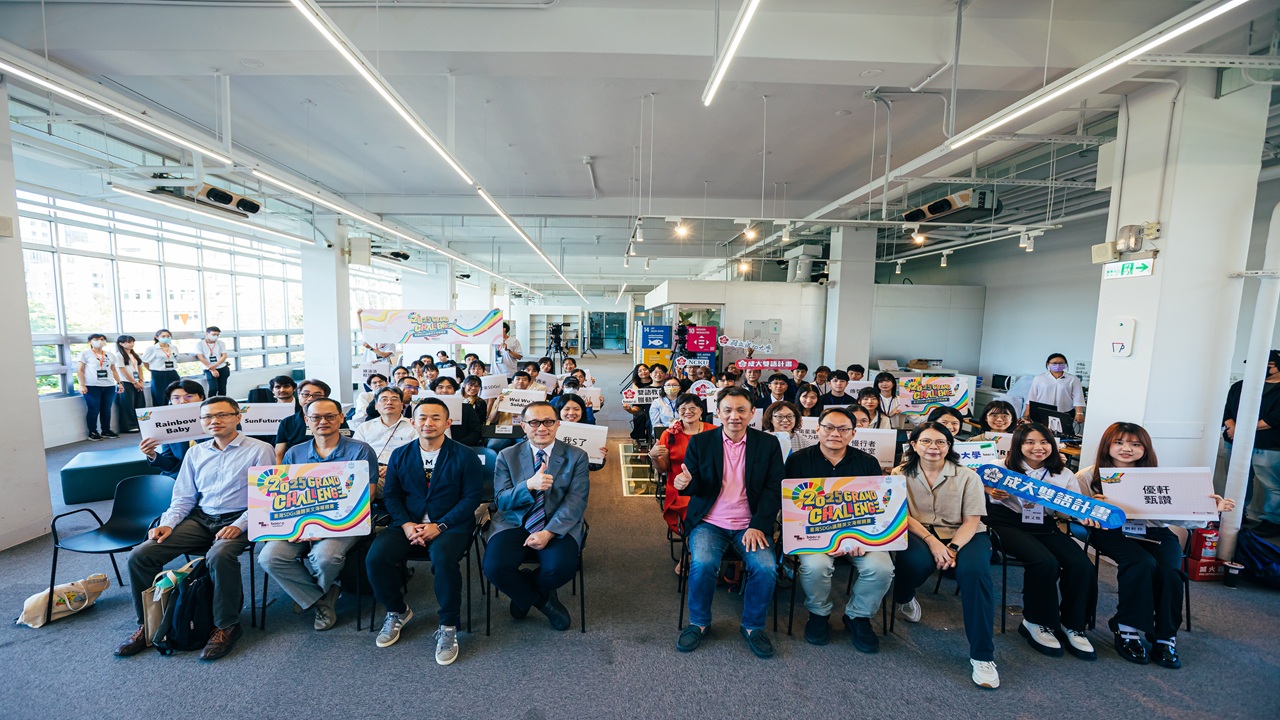
Student participation rose steadily, with 52% of undergraduates taking EMI courses in 2023, nearly doubling from 32% in 2019. The proportion of graduates completing over 25% of credits through EMI has also grown. Beyond coursework, initiatives like the Buddy Buddy International Peer Program and the World Cultural Food Festival enhanced intercultural learning. In addition, NCKU hosted the 2025 Grand Challenge—Taiwan SDGs English Poster Competition, allowing students to connect their disciplinary expertise with sustainability issues and present their work entirely in English.
International engagement also strengthened. In 2023, 255 students participated in overseas learning programs, representing a 20.9% increase from the previous year. Alumni and industry partnerships have created new overseas internships. Furthermore, the publication of the Disciplinary English Glossary Handbook (“Solar Cell” and “Wind Power”) provided professional language tools linking EMI courses with workplace practice.
From the perspective of quality assurance and language proficiency development, NCKU continues to implement rigorous quality reviews of EMI courses to ensure that they uphold the same academic standards as their non-EMI counterparts. The “service-oriented classroom observation” mechanism adopted by the University has demonstrated sustained effectiveness. Results from the Course Evaluation Survey for the 2024–2025 academic year reveal that the average satisfaction rating for both EMI and non-EMI courses was 4.59, with no statistically significant difference observed. Notably, in the categories of “enthusiasm,” “classroom interaction,” “interpersonal harmony,” “reading and assignments,” and “learning value,” EMI courses received marginally higher ratings than non-EMI courses. These findings indicate that students’ learning outcomes in EMI courses are comparable to those in non-EMI courses.
Looking ahead, NCKU will further advance the philosophy of English as a Medium of Interaction and Internalization. Priorities include deepening EMI pedagogy, strengthening faculty development, expanding international-industry collaboration, and investing in bilingual teacher training at the secondary level. With initiatives such as the World Classroom (encompassing 45 global partners), and expanded internship pipelines, the university aims to consolidate its achievements and remain a benchmark for bilingual higher education in Taiwan, cultivating graduates with professional expertise and intercultural competence to meet the demands of a rapidly globalizing world.