:::
 Back to Year 2024
SCHOOL
慈濟大學
Abstract
I. Student English Proficiency
- Certification: English certification attainment rate jumped from 2.0% (2021–22) to 6.3% (2023–24)—a 3× increase.
- EMI Enrollment: Local sophomore participation rose from 17.9% to 20.4%, master’s from 22% to 28%.
- EMI Learning Gains: EMI course surveys show strong impact on professional knowledge (4.64/5) and English ability (4.51/5); 95% would re-enroll.
- Foundamental English Course Reform: Small-group placement (Pre-A1–A2) cut class size to 22; average post-test gains up 23 points (4× prior year).
- Competitions & Global Learning: Nursing and medical students won the national ESP team championship and the SDGs poster 1st/2nd/Best Impact.
- Autonomous Learning Projects: 28 students, results including: CEFR-C1 certification, Canada student exchange, international poster presentation.
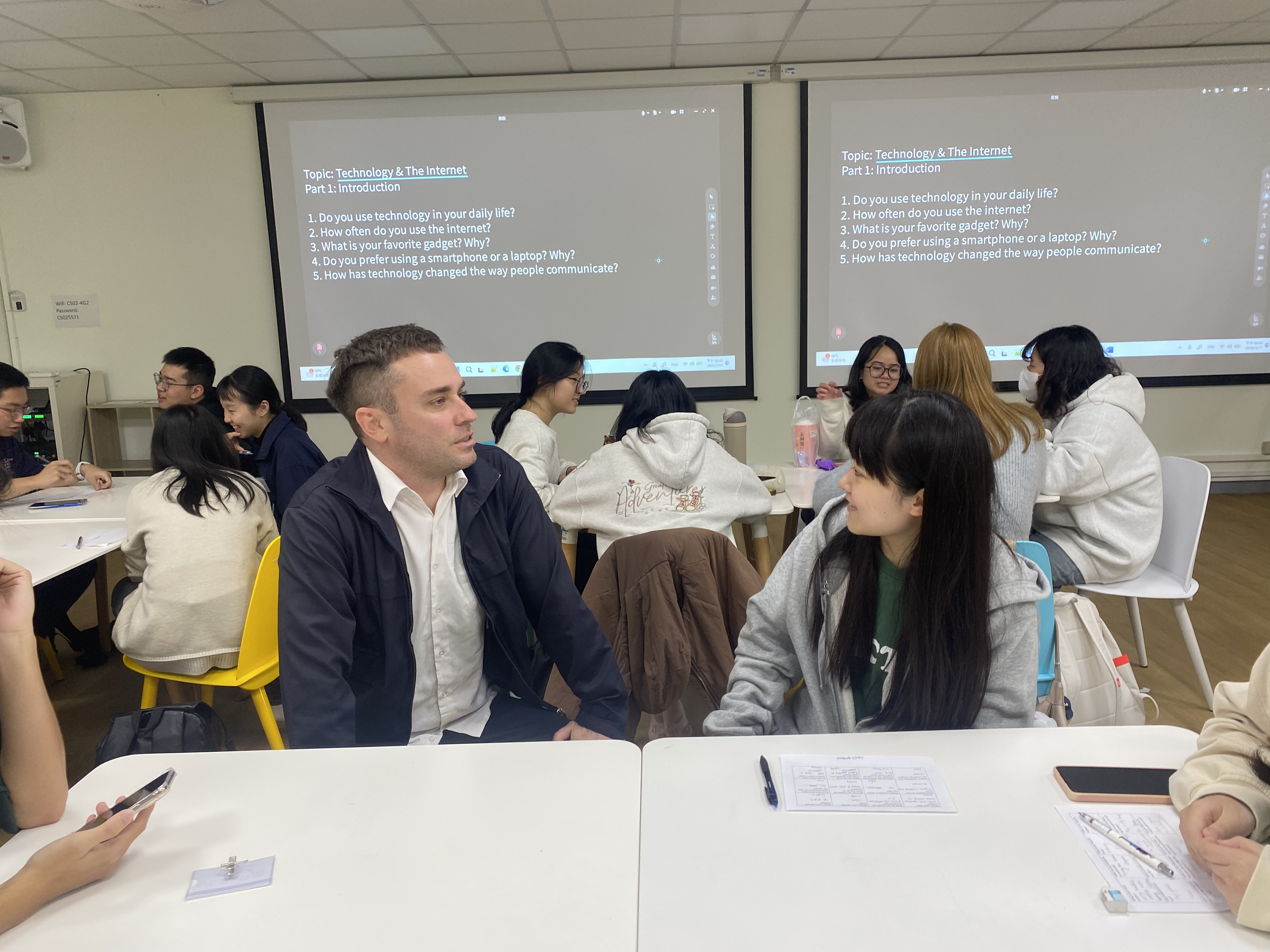
- Speaking Workshops: 65 sessions, 1,042 attendances, satisfaction 4.74/5.
- Overseas Study Subsidies: 253 students, 15 countries.
II. Faculty Development
- The English teacher community lifted English-course satisfaction to 4.6/5.
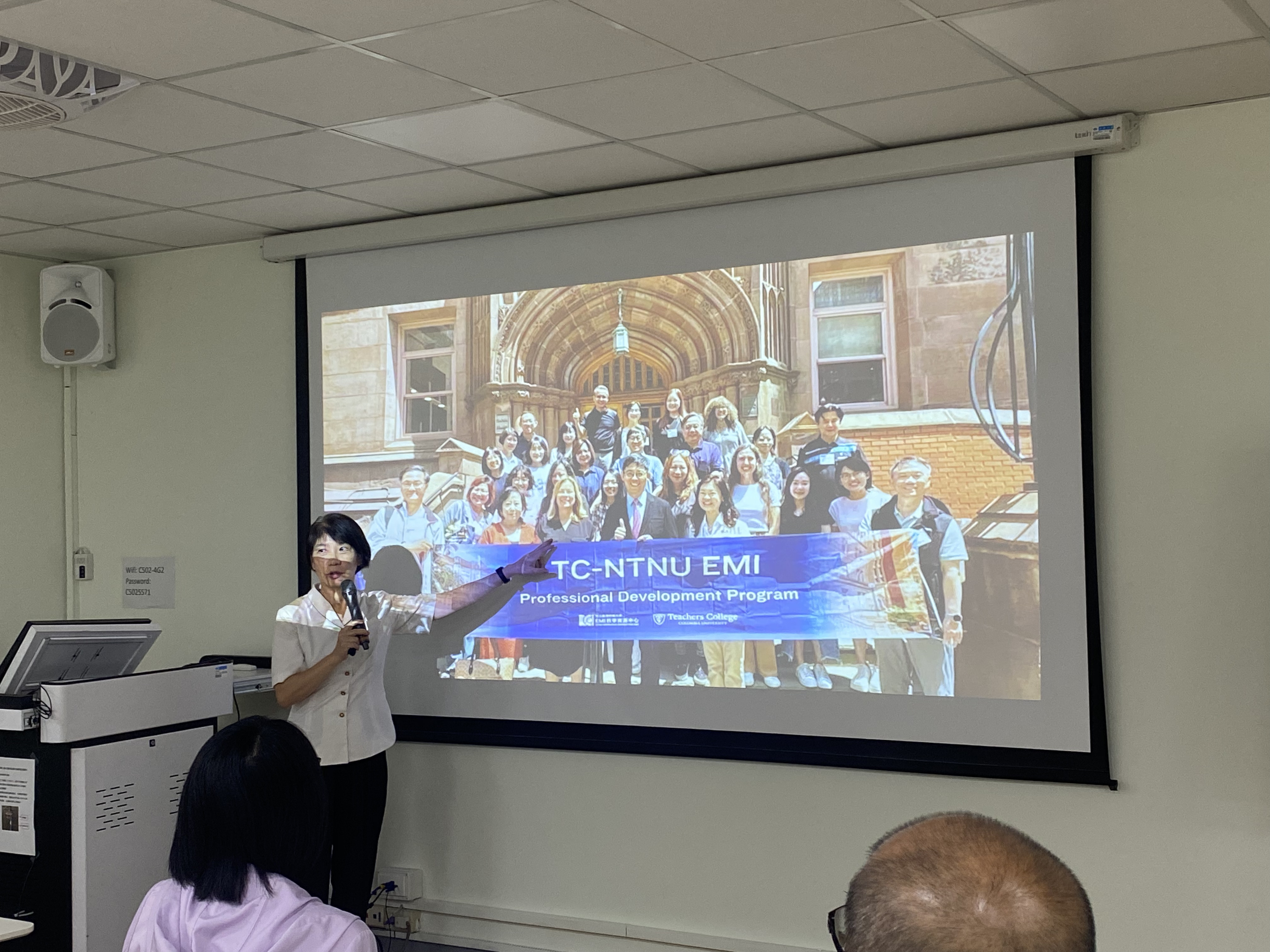
- EMI training: 16 events, 394 attendances; 55 faculty certified (5× growth).
- Bridging EMI courses (1/3 English, EAP/ESP): 11 courses, 199 students, satisfaction 4.63/5; Biochemistry boosted EMI confidence for 70%+.
- Support: 9 EMI community sessions, “seed teacher” mentoring (25 consultations), all EMI courses with TAs and 1.5× teaching-hour credit.
III. EMI Course Expansion & Quality
- Courses grew from 163 to 233 in two years (+43%).
- Surveys average 4.59/5 for content, interaction, and learning motivation.
- Cross-university alliance with NTUST created 3 ESP faculty groups, 3 new ESP courses, 7 teaching modules; 81 faculty adopted Grammarly (97% satisfaction); 3 faculty completed overseas EMI training.
IV. Overall Impact
Integrated student programs, faculty upskilling, and rapid EMI growth have significantly elevated English proficiency and global competitiveness across the university.