Yuan Ze University
I. Bilingual Education Framework and Strategic Vision
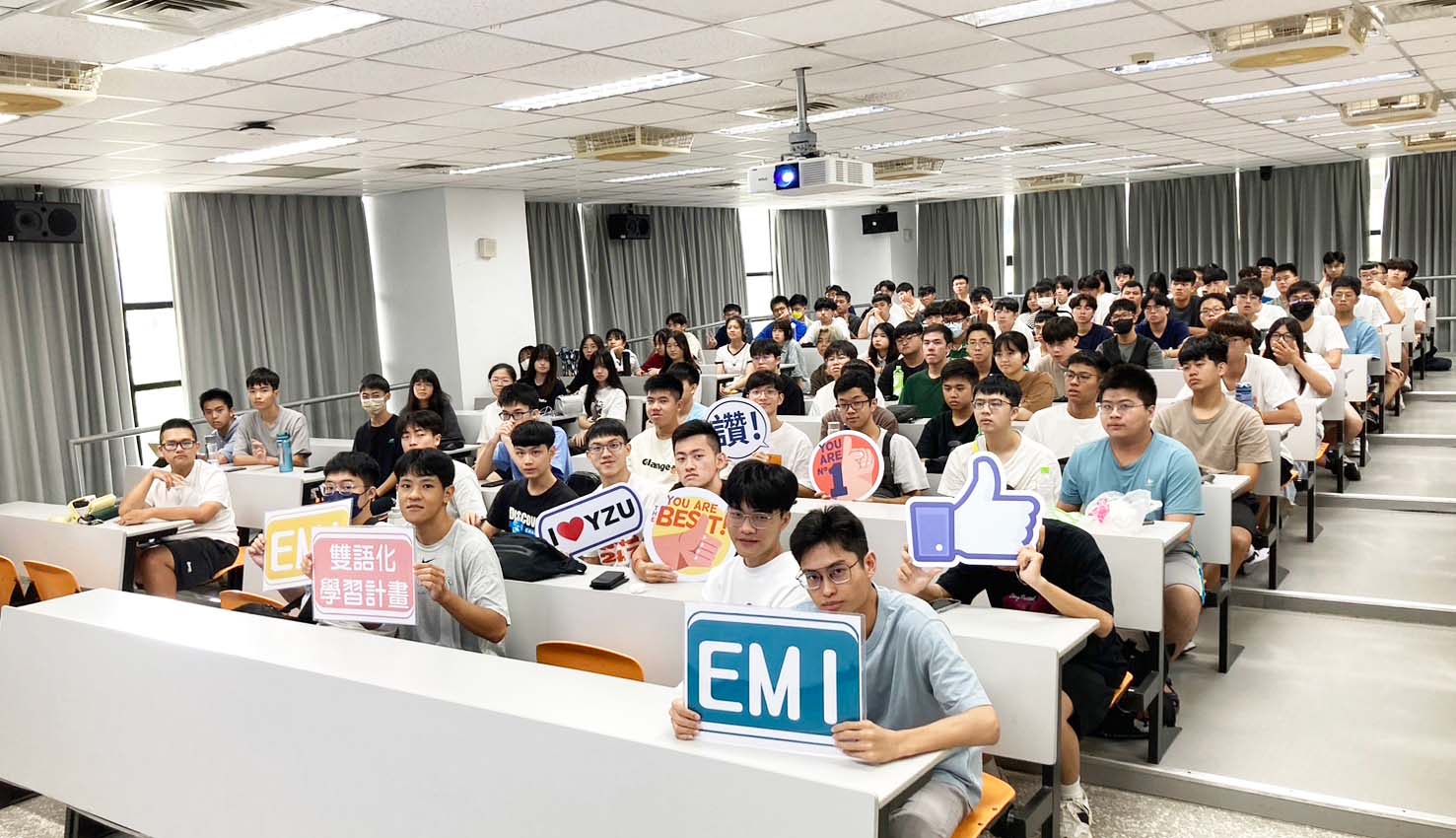
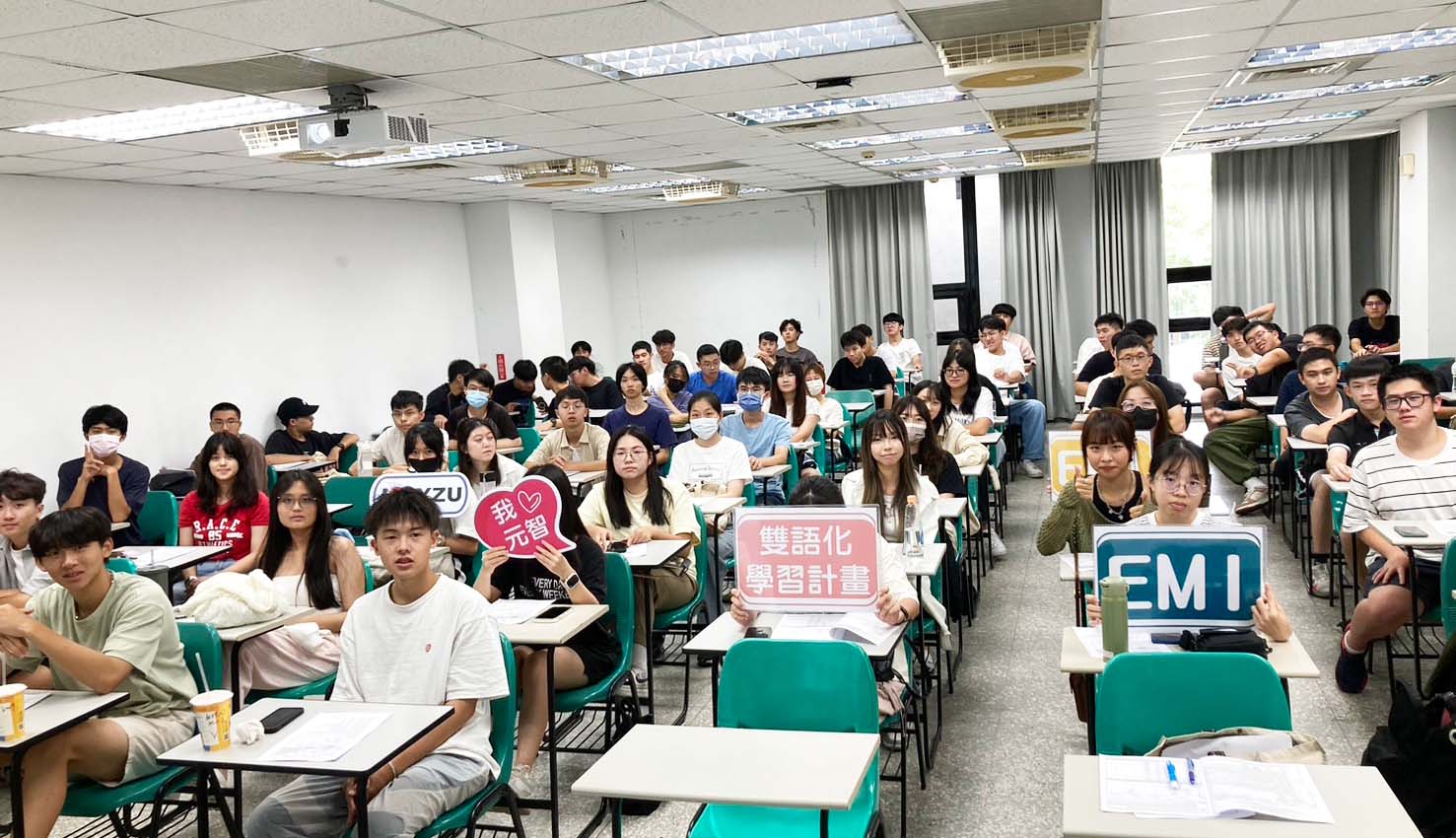
In response to the trend of globalization and the increasingly competitive international environment in higher education, Yuan Ze University has actively participated in the Ministry of Education’s Bilingual Education for Students in Colleges and Universities Program and aligned its efforts with the vision of the “2030 Bilingual Nation Policy Development Blueprint.” To this end, the University established the University-level Bilingual Education Promotion Committee as the central coordinating body for bilingual education policies and designated the Bilingual Education Resource Center to oversee the implementation of bilingual initiatives across campus.
By balancing resource allocation between benchmark and key cultivation colleges, while integrating academic and administrative resources, the University systematically promotes the sharing of bilingual teaching resources and cross-college collaboration. These efforts aim to enhance the efficiency of resource utilization and accelerate the development of English as a Medium of Instruction (EMI) throughout the University.
II. Faculty Development and Enhancement of EMI Teaching Competencies
Under a long-term and systematic development strategy, approximately 70% of the faculty members in the College of Electrical and Communication Engineering at Yuan Ze University have gained experience in EMI teaching. Through initiatives such as professional development subsidies and EMI seed faculty cultivation programs, the College continues to increase the proportion of faculty members who possess CEFR C1-level English proficiency. Guided by the principles of “steady expansion and quality enhancement,” the College has established a sustainable and evidence-based EMI support system.
During Academic Year 2024–2025, the College organized four EMI faculty development workshops, attracting a total of 157 participants and achieving an overall satisfaction score of 4.66 out of 5. Faculty members from the College accounted for 22% of all participants. In addition, nine faculty members successfully completed the Oxford EMI Training program.
Furthermore, the College continues to provide one-on-one English speaking coaching, expert lectures, and both on-campus and off-campus professional development opportunities to strengthen faculty members’ EMI teaching competencies and broaden their international teaching perspectives.
III. EMI Curriculum Development and Teaching Innovation
The number of EMI courses offered by the College increased from 89 in Academic Year 2023–2024 to 100 in Academic Year 2024–2025. These courses focus on key disciplines such as semiconductor integrated circuits, intelligent computing, and the Internet of Things, while continuously strengthening vertical curriculum alignment and interdisciplinary integration.
To facilitate a smooth and gradual transition toward EMI instruction, the College introduced the “English Pilot Course” initiative in Academic Year 2024–2025. Through short-term, unit-based or modular English-medium teaching trials and effectiveness assessments, the College aims to establish a solid foundation for the future expansion of EMI courses. This initiative is expected to support the progressive achievement of the College’s long-term goals of having more than half of undergraduate courses offered in EMI and implementing EMI comprehensively across all graduate programs.
IV. Student Learning Support and English Language Development
The College has implemented a comprehensive learning support strategy of “in-class assistance and after-class reinforcement.” Throughout the academic year, a total of 82 after-class tutoring sessions were conducted, serving 692 student participants. These efforts were complemented by teaching assistant support, recorded review videos, the MyET English-speaking platform, and exchange activities with international students, all of which enhance students’ opportunities to practice English in authentic contexts and strengthen their academic English proficiency.
In addition, the College offers approximately four English for Specific Purposes (ESP) courses each year. These courses are designed to improve students’ listening, speaking, reading, writing, and academic writing skills, helping them gradually adapt to and succeed in an EMI learning environment.
V. Incentive Programs and Continuous Improvement of Teaching Quality
To encourage teaching innovation and recognize outstanding instructional support, the College established the Outstanding Teaching Assistant Award in Academic Year 2024–2025. The award recognizes teaching assistants who have demonstrated exceptional contributions in classroom facilitation and after-class academic support, with a total of 16 recipients honored during the year.
On the faculty side, the College continues to promote the EMI Innovative Teaching Initiative, under which seven projects were approved in Academic Year 2024–2025. This initiative aims to encourage faculty members to enhance EMI course design and teaching quality, thereby further improving student learning outcomes.
VI. International Collaboration and Achievement Showcase
In terms of international exchange and collaboration, the College has signed a Memorandum of Understanding (MOU) with SASTRA University in India and continues to expand international student recruitment and faculty–student exchange opportunities based on its dual-degree Memorandum of Agreement (MOA) with partner institutions in Indonesia.
In addition, the College actively participates in international EMI-related academic and professional exchange activities. During this academic year, faculty members visited the University of Twente in the Netherlands for teaching observation and academic exchange. The College also participated in the 6th EMI Symposium co-hosted by ELINET at the University of Oxford, United Kingdom, where it presented the outcomes and achievements of its EMI initiatives. Through these efforts, the College continues to advance toward the institutionalization and sustainable development of EMI education.